







 Support our online development, and advance our onground research initiatives in free market economics, as we seek to showcase the brightest Next-Gen minds.
THE ME-P DISCLAIMER: Posts, comments and opinions do not necessarily represent iMBA, Inc., but become our property after submission. Copyright © 2006 to-date. iMBA, Inc allows colleges, universities, medical and financial professionals and related clinics, hospitals and non-profit healthcare organizations to distribute our proprietary essays, photos, videos, audios and other documents; etc. However, please review copyright and usage information for each individual asset before submission to us, and/or placement on your publication or web site. Attestation references, citations and/or back-links are required. All other assets are property of the individual copyright holder.
Support our online development, and advance our onground research initiatives in free market economics, as we seek to showcase the brightest Next-Gen minds.
THE ME-P DISCLAIMER: Posts, comments and opinions do not necessarily represent iMBA, Inc., but become our property after submission. Copyright © 2006 to-date. iMBA, Inc allows colleges, universities, medical and financial professionals and related clinics, hospitals and non-profit healthcare organizations to distribute our proprietary essays, photos, videos, audios and other documents; etc. However, please review copyright and usage information for each individual asset before submission to us, and/or placement on your publication or web site. Attestation references, citations and/or back-links are required. All other assets are property of the individual copyright holder.


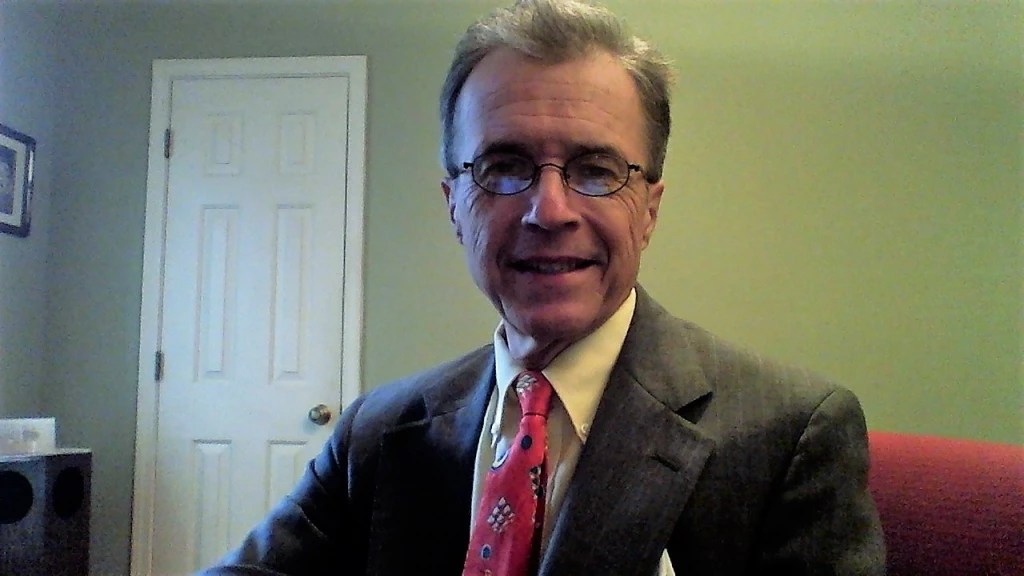
Dr. David Edward Marcinko MBA MEd
SPONSOR: http://www.HealthDictionarySeries.org
***
***
Understanding How We Explain Behavior
Attribution theory is a cornerstone of social psychology because it tackles a deceptively simple question: How do people explain why things happen? Whether we are interpreting a friend’s abrupt tone, a coworker’s missed deadline, or our own success on a difficult task, we instinctively search for causes. These explanations—our attributions—shape our emotions, our judgments, and ultimately our behavior. Attribution theory explores the patterns behind these explanations and the biases that influence them, revealing how humans make sense of a complex social world.
At its core, attribution theory distinguishes between two broad categories of causes: internal and external. Internal attributions point to characteristics within a person, such as personality traits, abilities, or effort. External attributions focus on situational factors outside the individual’s control, like luck, task difficulty, or environmental pressures. This basic distinction seems straightforward, yet the way people choose between these explanations is anything but neutral. Our attributions often reflect deep-seated cognitive habits and social motivations rather than objective analysis.
One of the most influential ideas within attribution theory is the fundamental attribution error—the tendency to overemphasize internal causes when explaining other people’s behavior. If someone cuts us off in traffic, we are quick to label them reckless or inconsiderate rather than considering that they might be rushing to an emergency. This bias arises partly because we have limited access to others’ circumstances, but it also reflects a broader human inclination to see behavior as a reflection of character. Interestingly, this tendency weakens when we explain our own actions. When we make mistakes, we are far more likely to point to situational pressures. This asymmetry is known as the actor–observer bias.
A related pattern, the self‑serving bias, highlights how attributions protect our self-esteem. People tend to credit their successes to internal factors—skill, effort, intelligence—while blaming failures on external forces. A student who earns a high grade may attribute it to hard work, while a poor grade might be blamed on an unfair exam. This bias is not simply vanity; it helps maintain a sense of competence and control. Yet it can also hinder personal growth by preventing individuals from acknowledging areas where improvement is needed.
***
***
Attribution theory also examines how people make causal judgments over time. When individuals repeatedly observe behavior, they look for consistency, distinctiveness, and consensus. If someone behaves the same way across situations (high consistency), reacts differently in other contexts (high distinctiveness), and others behave similarly in the same situation (high consensus), observers are more likely to attribute the behavior to external causes. These patterns show that people are not entirely irrational in their explanations; they use systematic cues, even if biases sometimes distort the process.
The implications of attribution theory extend far beyond academic psychology. In everyday life, attributions influence relationships, workplace dynamics, and even societal attitudes. Consider interpersonal conflict: if a partner interprets forgetfulness as a sign of carelessness rather than stress or distraction, resentment can build unnecessarily. In professional settings, managers who attribute an employee’s poor performance to laziness rather than inadequate training may respond with punishment instead of support. These misattributions can create cycles of misunderstanding that damage trust and morale.
At a societal level, attribution patterns shape how people think about poverty, unemployment, or health. When individuals attribute these issues to personal failings rather than structural barriers, they may oppose policies designed to address systemic inequalities. Attribution theory helps explain why people with different political or cultural backgrounds often disagree so sharply about social problems: they are operating from different assumptions about what causes human behavior.
Despite its focus on errors and biases, attribution theory also highlights the potential for more accurate and compassionate interpretations. Becoming aware of our attributional habits allows us to pause before jumping to conclusions. When we consider situational factors more carefully, we often find more generous and realistic explanations for others’ actions. This shift can improve communication, reduce conflict, and foster empathy.
In essence, attribution theory reveals that the stories we tell ourselves about why things happen are powerful. They shape our emotions, guide our decisions, and influence how we treat others. By understanding the patterns behind these explanations, we gain insight not only into human behavior but also into the subtle psychological forces that shape our social world.
COMMENTS APPRECIATED
SPEAKING: Dr. Marcinko will be speaking and lecturing, signing and opining, teaching and preaching, storming and performing at many locations throughout the USA this year! His tour of witty and serious pontifications may be scheduled on a planned or ad-hoc basis; for public or private meetings and gatherings; formally, informally, or over lunch or dinner. All medical societies, financial advisory firms or Broker-Dealers are encouraged to submit an RFP for speaking engagements: CONTACT: Ann Miller RN MHA at MarcinkoAdvisors@outlook.com -OR- http://www.MarcinkoAssociates.com
Like, Refer and Subscribe
***
***
Share this:

Filed under: iMBA, Inc. | Tagged: david marcinko | Leave a comment »


 The Leading Business Education Network for Doctors, Financial Advisors and Health Industry Consultants