SOCIALIZED MEDICINE: In the United States

Dr. David Edward Marcinko; MBA MEd

SPONSOR: http://www.HealthDictionarySeries.org

***
***

The debate over socialized medicine in the United States has persisted for decades, fueled by questions about fairness, cost, efficiency, and the role of government in ensuring public well‑being. Although the U.S. has never adopted a fully socialized medical system, the idea continues to shape political conversations and public expectations. Understanding the arguments for and against socialized medicine requires looking at the values Americans attach to healthcare, the challenges of the current system, and the potential consequences of shifting toward a more government‑directed model.

At its core, socialized medicine refers to a system in which the government plays a central role in financing, regulating, and sometimes directly providing healthcare. In some countries, this means the government owns hospitals and employs doctors. In others, it simply guarantees universal coverage while private providers continue to operate. In the U.S., the term is often used broadly—sometimes inaccurately—to describe any expansion of public involvement in healthcare. Still, the underlying concept remains the same: healthcare is treated as a public good rather than a market commodity.

Supporters of socialized medicine argue that healthcare is a basic human right and that access should not depend on income, employment, or geography. They point to the millions of Americans who remain uninsured or underinsured, even after reforms designed to expand coverage. For these advocates, the current system leaves too many people vulnerable to medical debt, delayed treatment, and preventable illness. A socialized model, they argue, would create a more equitable system by ensuring that everyone receives necessary care without facing financial ruin.

Another argument in favor of socialized medicine centers on efficiency. The U.S. spends more per capita on healthcare than any other developed nation, yet its outcomes often lag behind. Supporters claim that a government‑run or government‑financed system could reduce administrative waste, negotiate lower prices for drugs and services, and streamline care. Instead of navigating a maze of private insurers, billing codes, and coverage restrictions, patients could access care through a simpler, more predictable structure.

***

***

Opponents, however, raise concerns about government overreach and the potential loss of individual choice. They argue that socialized medicine could lead to longer wait times, reduced innovation, and a decline in the quality of care. For many Americans, the ability to choose their doctors, select insurance plans, and access cutting‑edge treatments is a core part of the healthcare experience. Critics worry that a heavily centralized system would limit these freedoms and create bureaucratic barriers that frustrate both patients and providers.

Cost is another major point of contention. While supporters believe a socialized system could ultimately save money, opponents argue that the initial price tag would be enormous. Transitioning to a government‑financed model would require significant tax increases or major reallocations of federal spending. Skeptics question whether the government could manage such a large and complex system efficiently, especially given existing challenges in programs like Medicare and the Veterans Health Administration.

Despite these disagreements, the U.S. already incorporates elements of socialized medicine. Medicare, Medicaid, and the VA system all involve substantial government funding and oversight. Many Americans rely on these programs, and they demonstrate that public involvement in healthcare is not a foreign concept. The real debate is not whether the government should play a role, but how large that role should be and how to balance public responsibility with private choice.

Ultimately, the conversation about socialized medicine reflects deeper questions about American identity. Should healthcare be treated like education and public safety—something society guarantees for everyone? Or should it remain primarily a private market shaped by competition and consumer choice? There is no simple answer, and the diversity of opinions reflects the diversity of the country itself.

What is clear is that the U.S. healthcare system faces real challenges: high costs, uneven access, and persistent disparities. Whether the solution lies in expanding government involvement, strengthening private markets, or blending the two approaches, the debate over socialized medicine will continue to shape the nation’s political and moral landscape. The path forward will depend on how Americans choose to balance fairness, freedom, and responsibility in one of the most important aspects of modern life.

COMMENTS APPRECIATED

EDUCATION: Books

SPEAKING: Dr. Marcinko will be speaking and lecturing, signing and opining, teaching and preaching, storming and performing at many locations throughout the USA this year! His tour of witty and serious pontifications may be scheduled on a planned or ad-hoc basis; for public or private meetings and gatherings; formally, informally, or over lunch or dinner. All medical societies, financial advisory firms or Broker-Dealers are encouraged to submit an RFP for speaking engagements: CONTACT: Ann Miller RN MHA at MarcinkoAdvisors@outlook.com -OR- http://www.MarcinkoAssociates.com

Like, Refer and Subscribe

***

***

OPEN EVIDENCE: In Medicine

Dr. David Edward Marcinko; MBA MEd

***

***

Strengthening Trust, Improving Care and Advancing Knowledge

Open evidence has become a defining principle in modern medicine, reshaping how clinicians, researchers, and the public understand and use medical information. At its simplest, open evidence refers to the practice of making the data, methods, and reasoning behind medical decisions accessible to everyone. This includes clinical trial results, treatment guidelines, diagnostic criteria, and the scientific processes that support them. In a field where decisions can affect lives, the push toward openness is not just a philosophical preference—it is a practical necessity. Open evidence strengthens trust, improves patient care, accelerates scientific progress, and encourages a more informed and engaged public.

One of the most important contributions of open evidence in medicine is its ability to build trust between healthcare systems and the people they serve. Medical decisions often involve complex reasoning and specialized knowledge that can feel opaque to patients. When evidence is hidden or selectively shared, it can create suspicion or confusion, especially during moments of uncertainty. Open evidence counters this by allowing patients and clinicians to see the foundation of medical recommendations. When treatment guidelines, risk assessments, and research findings are openly available, people can understand not only what is being recommended but why. This transparency helps patients feel more confident in their care and fosters a collaborative relationship between them and their healthcare providers.

Open evidence also improves the quality of medical decision‑making. Medicine evolves rapidly, and new discoveries constantly challenge old assumptions. When evidence is openly shared, it allows researchers and clinicians around the world to examine, critique, and build upon one another’s work. This collective scrutiny helps identify errors, refine methods, and strengthen conclusions. It also reduces the risk of repeating mistakes or duplicating efforts. In clinical practice, open evidence supports more consistent and informed decision‑making. Physicians can access the latest data, compare treatment options, and tailor care to individual patients with greater confidence. Instead of relying on tradition or limited experience, they can draw from a broad, transparent foundation of knowledge.

Another major benefit of open evidence in medicine is its role in accelerating scientific progress. Historically, medical research was often locked behind paywalls or restricted to small professional circles. This limited who could analyze data, propose new interpretations, or challenge existing conclusions. Open evidence breaks down these barriers. When datasets, trial results, and methodologies are freely available, researchers from diverse backgrounds can contribute insights. This diversity of thought leads to more innovative solutions and a deeper understanding of complex medical problems. It also encourages collaboration across institutions, countries, and disciplines, making scientific advancement more efficient and inclusive.

Open evidence also empowers patients and the public to engage more actively in their own health. When medical information is accessible and understandable, people can make more informed choices about prevention, treatment, and lifestyle. They can compare options, ask better questions, and participate more fully in shared decision‑making with their clinicians. This empowerment is especially important in an era where misinformation spreads quickly. Open evidence provides a reliable foundation that individuals can use to evaluate claims and distinguish credible information from misleading or incomplete narratives.

***

***

Despite its many strengths, open evidence in medicine also presents challenges. One concern is the risk of misinterpretation. Medical data can be complex, and without proper context, people may draw incorrect conclusions. This does not mean evidence should be hidden; rather, it highlights the need for clear communication and thoughtful presentation. Another challenge involves privacy. Medical research often relies on sensitive patient information, and sharing data openly requires careful safeguards to protect confidentiality. Balancing openness with ethical responsibility is essential to maintaining trust and ensuring that open evidence does not inadvertently cause harm.

Even with these challenges, the movement toward open evidence continues to grow because its benefits are profound. It strengthens trust, improves care, accelerates discovery, and empowers individuals. It encourages a culture where medical claims must be supported, reasoning must be transparent, and knowledge is treated as a shared resource. In a field as vital as medicine, where decisions can shape the course of a person’s life, open evidence is not just a helpful ideal—it is a cornerstone of responsible practice.

Ultimately, open evidence invites us to imagine a medical system where information flows freely, where patients and clinicians work together with clarity, and where scientific progress is driven by collaboration rather than secrecy. As medicine continues to evolve, embracing open evidence will be essential to building a healthier, more informed, and more equitable future.

COMMENTS APPRECIATED

EDUCATION: Books

SPEAKING: Dr. Marcinko will be speaking and lecturing, signing and opining, teaching and preaching, storming and performing at many locations throughout the USA this year! His tour of witty and serious pontifications may be scheduled on a planned or ad-hoc basis; for public or private meetings and gatherings; formally, informally, or over lunch or dinner. All medical societies, financial advisory firms or Broker-Dealers are encouraged to submit an RFP for speaking engagements: CONTACT: Ann Miller RN MHA at MarcinkoAdvisors@outlook.com -OR- http://www.MarcinkoAssociates.com

Like, Refer and Subscribe

***

***

VPNs: Virtual Private Networks

By Staff Reporters

***

***

Purpose, Function and Modern Importance

In an era where digital life is inseparable from daily life, concerns about privacy, security, and unrestricted access to information have become central to how people navigate the internet. One of the most widely adopted tools for addressing these concerns is the Virtual Private Network, more commonly known as a VPN. Although VPNs were originally developed for corporate environments, they have evolved into mainstream consumer tools used by millions around the world. Understanding what VPNs are, how they work, and why they matter offers valuable insight into the broader conversation about digital rights and online safety.

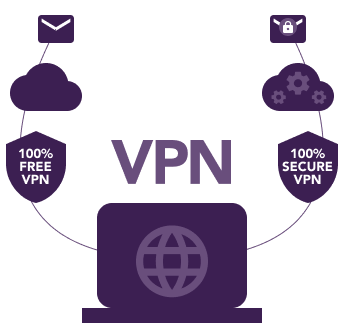
A VPN is essentially a secure, encrypted tunnel between a user’s device and a remote server operated by the VPN provider. When someone connects to the internet through a VPN, their traffic is routed through this tunnel before reaching its final destination. This process masks the user’s IP address, making it appear as though their connection originates from the VPN server rather than their actual location. The result is a layer of anonymity that helps shield users from tracking, surveillance, and certain forms of cyberattacks.

The core function of a VPN is encryption. When data travels across the internet without protection, it can be intercepted by malicious actors, internet service providers, or even unsecured public Wi‑Fi networks. Encryption scrambles this data into unreadable code, ensuring that even if someone manages to intercept it, they cannot decipher its contents. This is particularly important for people who frequently use public networks in places like airports, cafés, or hotels, where unsecured connections can leave devices vulnerable to eavesdropping or man‑in‑the‑middle attacks.

***

***

Beyond security, VPNs play a significant role in preserving privacy. Many websites and online services track user behavior, often collecting information about browsing habits, location, and device details. Internet service providers can also monitor and log user activity, sometimes selling this data to advertisers or sharing it with third parties. By masking a user’s IP address and routing traffic through a remote server, a VPN reduces the amount of identifiable information exposed during online activity. While it does not make someone completely anonymous, it meaningfully limits the ability of companies or individuals to trace activity back to a specific person.

Another major appeal of VPNs is their ability to bypass geographic restrictions. Many online services, such as streaming platforms or news websites, limit access to content based on a user’s location. This practice, known as geo‑blocking, can prevent people from viewing certain videos, reading certain articles, or accessing services that are only available in specific regions. By allowing users to connect through servers in different countries, VPNs make it possible to appear as though one is browsing from another location. This capability is often used for entertainment purposes, but it also has important implications for people living in regions with heavy internet censorship. In such environments, VPNs can provide access to information and communication tools that might otherwise be restricted.

Despite their benefits, VPNs are not without limitations. One common misconception is that a VPN provides complete anonymity or absolute protection from all cyber threats. In reality, a VPN is only one layer of security. It does not protect against malware, phishing attempts, or unsafe user behavior. Additionally, the level of privacy a VPN offers depends heavily on the provider’s policies and trustworthiness. Some providers may log user activity or share data with third parties, undermining the very privacy users seek. Choosing a reputable provider is therefore essential.

Performance can also be affected when using a VPN. Because traffic must be encrypted and routed through a remote server, connection speeds may slow down, especially if the server is far away or overloaded. While many modern VPNs have optimized their infrastructure to minimize speed loss, the trade‑off between privacy and performance remains a consideration for users.

The growing popularity of VPNs reflects broader societal concerns about digital autonomy. As more aspects of life move online, individuals are increasingly aware of how much information they expose simply by browsing, shopping, or communicating. VPNs offer a practical way to regain some control over that exposure. They empower users to protect their data, access information freely, and navigate the internet with greater confidence.

At the same time, the rise of VPNs highlights ongoing debates about the balance between privacy and regulation. Some governments restrict or ban VPN use, arguing that it can facilitate illegal activity or undermine national security. Others view VPNs as essential tools for protecting free expression and personal liberty. These differing perspectives underscore the complex role VPNs play in the modern digital landscape.

In summary, Virtual Private Networks have become indispensable tools for enhancing online privacy, securing data, and enabling open access to information. While they are not a perfect or complete solution to every digital threat, they offer meaningful protection in a world where personal data is constantly at risk. As technology continues to evolve and the internet becomes even more deeply woven into daily life, the importance of tools like VPNs is likely to grow. Understanding how they work and what they offer helps individuals make informed decisions about their digital safety and autonomy.

COMMENTS APPRECIATED

EDUCATION: Books

SPEAKING: Dr. Marcinko will be speaking and lecturing, signing and opining, teaching and preaching, storming and performing at many locations throughout the USA this year! His tour of witty and serious pontifications may be scheduled on a planned or ad-hoc basis; for public or private meetings and gatherings; formally, informally, or over lunch or dinner. All medical societies, financial advisory firms or Broker-Dealers are encouraged to submit an RFP for speaking engagements: CONTACT: Ann Miller RN MHA at MarcinkoAdvisors@outlook.com -OR- http://www.MarcinkoAssociates.com

Like, Refer and Subscribe

***

***

Trump Rx.Gov

By Dr. David Edward Marcinko; MBA MEd

SPONSOR: http://www.HealthDictionarySeries.org

***

***

A New Federal Strategy for Lowering Drug Costs

TrumpRx.gov is a federal initiative designed to address one of the most persistent challenges in the American health‑care system: the high cost of prescription drugs. Introduced as part of a broader effort to make medications more affordable, the platform aims to give consumers direct access to significantly discounted prices on a select list of commonly used drugs. While the program has generated considerable public attention, its structure and impact reveal a mix of promising benefits and notable limitations.

At its core, TrumpRx.gov operates as an online portal where consumers can view discounted prices on specific prescription medications. Rather than functioning as a pharmacy itself, the site directs users to participating pharmaceutical manufacturers that have agreed to offer reduced prices. These discounts are based on a pricing model known as the “Most‑Favored‑Nation” approach, which seeks to match or approximate the lowest prices paid for the same drugs in other developed countries. This strategy reflects a long‑standing criticism that Americans often pay far more for identical medications than patients elsewhere in the world.

The program launched with a list of forty‑plus medications offered at steep discounts, in some cases reducing prices by more than half. These include treatments for chronic conditions such as diabetes, cardiovascular disease, and autoimmune disorders. For individuals who lack insurance or who have insurance plans with high deductibles or limited prescription coverage, these price reductions can offer meaningful financial relief. The platform is designed to be simple: users search for their medication, compare the discounted price with what they currently pay, and follow links to purchase directly from the manufacturer.

However, the program’s benefits are not universal. For many insured patients, especially those with comprehensive prescription coverage, the discounted prices on TrumpRx.gov may not be lower than their existing copays. The site itself acknowledges this reality by encouraging users to compare prices before making a purchase. As a result, the platform is most advantageous for uninsured individuals, underinsured patients, or those who routinely pay full list price for their medications.

TrumpRx.gov also represents a shift in how the federal government approaches drug‑pricing reform. Historically, efforts to reduce prescription costs have focused on negotiations within public programs such as Medicare. This initiative, by contrast, bypasses traditional insurance structures and creates a direct‑to‑consumer pathway. Supporters argue that this model introduces competition and transparency into a system often criticized for its complexity and opacity. By publicly listing discounted prices, the platform pressures manufacturers to justify their pricing strategies and encourages consumers to make more informed decisions.

Despite these concerns, TrumpRx.gov has succeeded in drawing national attention to the issue of drug affordability. It offers a practical tool for consumers who struggle with high medication costs and signals a willingness to challenge long‑standing pricing norms. Whether the program will expand, evolve, or influence broader reforms remains to be seen. Its long‑term impact will depend on continued manufacturer participation, consumer awareness, and the broader policy landscape surrounding pharmaceutical pricing.

In the meantime, TrumpRx.gov stands as a notable experiment in federal health‑care policy—one that blends consumer empowerment with targeted price reductions, offering meaningful help to some Americans while highlighting the complexities of fixing the nation’s drug‑pricing system.

***

***

Critics, however, point out that the program’s scope is limited. Only a small fraction of prescription drugs are included, and participation by pharmaceutical companies is voluntary. Some experts question whether manufacturers will continue offering deep discounts over time, especially if doing so affects their pricing strategies in other markets. Others argue that while TrumpRx.gov may provide short‑term relief for certain patients, it does not address the underlying structural issues that drive high drug costs in the United States, such as patent exclusivity, limited competition, and the complex role of pharmacy benefit managers.

COMMENTS APPRECIATED

EDUCATION: Books

SPEAKING: Dr. Marcinko will be speaking and lecturing, signing and opining, teaching and preaching, storming and performing at many locations throughout the USA this year! His tour of witty and serious pontifications may be scheduled on a planned or ad-hoc basis; for public or private meetings and gatherings; formally, informally, or over lunch or dinner. All medical societies, financial advisory firms or Broker-Dealers are encouraged to submit an RFP for speaking engagements: CONTACT: Ann Miller RN MHA at MarcinkoAdvisors@outlook.com -OR- http://www.MarcinkoAssociates.com

Like, Refer and Subscribe

***

***