







 Support our online development, and advance our onground research initiatives in free market economics, as we seek to showcase the brightest Next-Gen minds.
THE ME-P DISCLAIMER: Posts, comments and opinions do not necessarily represent iMBA, Inc., but become our property after submission. Copyright © 2006 to-date. iMBA, Inc allows colleges, universities, medical and financial professionals and related clinics, hospitals and non-profit healthcare organizations to distribute our proprietary essays, photos, videos, audios and other documents; etc. However, please review copyright and usage information for each individual asset before submission to us, and/or placement on your publication or web site. Attestation references, citations and/or back-links are required. All other assets are property of the individual copyright holder.
Support our online development, and advance our onground research initiatives in free market economics, as we seek to showcase the brightest Next-Gen minds.
THE ME-P DISCLAIMER: Posts, comments and opinions do not necessarily represent iMBA, Inc., but become our property after submission. Copyright © 2006 to-date. iMBA, Inc allows colleges, universities, medical and financial professionals and related clinics, hospitals and non-profit healthcare organizations to distribute our proprietary essays, photos, videos, audios and other documents; etc. However, please review copyright and usage information for each individual asset before submission to us, and/or placement on your publication or web site. Attestation references, citations and/or back-links are required. All other assets are property of the individual copyright holder.


By Dr. David Edward Marcinko; MBA MEd
***
***
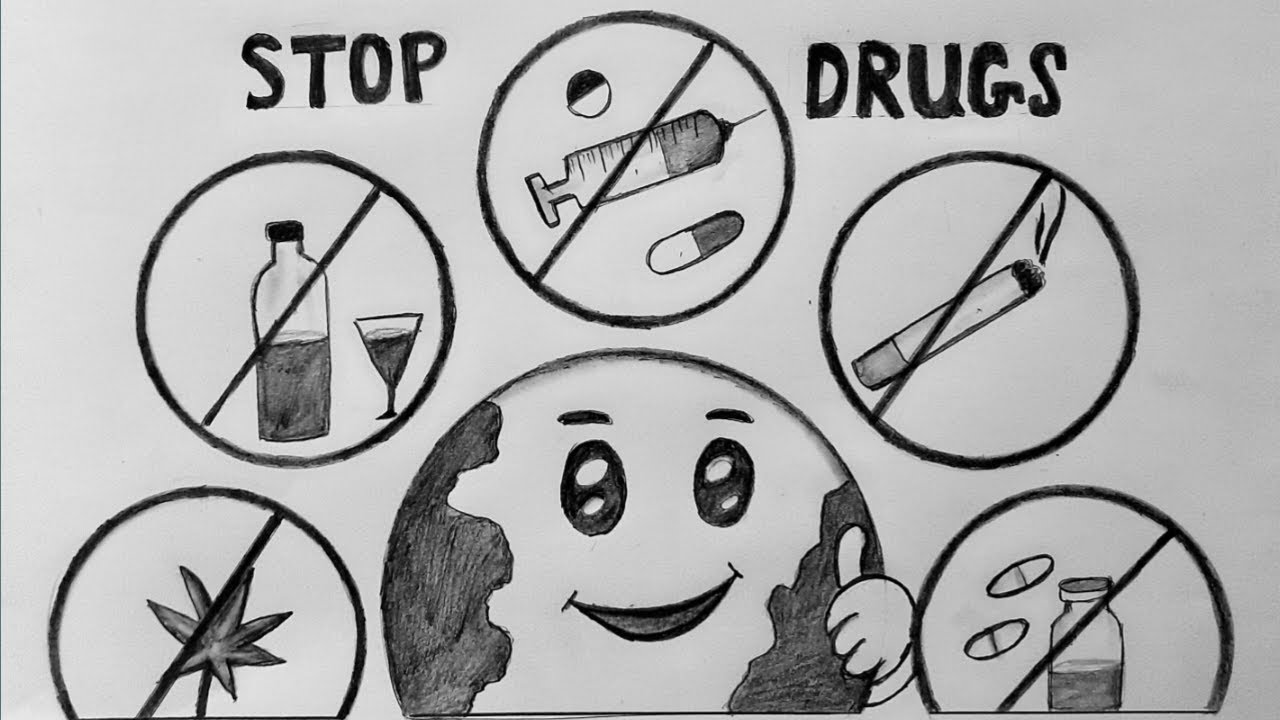
Physician Drug Addiction: A Hidden Crisis in Healthcare
Physicians are often seen as the guardians of health, entrusted with the care and well-being of others. Yet behind the white coats and clinical expertise, some doctors silently struggle with substance use disorders (SUDs). Physician drug addiction is a serious and often hidden crisis that affects not only the individuals involved but also the safety of their patients and the integrity of the healthcare system.
Studies show that physicians experience substance abuse at rates comparable to or slightly lower than the general population, but the consequences are far more severe due to their professional responsibilities. According to the American Addiction Centers, approximately 10–15% of healthcare professionals will misuse drugs or alcohol at some point in their careers.
The most commonly abused substances include alcohol, opioids, benzodiazepines, and stimulants—many of which are readily accessible in medical settings.
Several factors contribute to addiction among physicians. The medical profession is notoriously stressful, with long hours, emotional strain, and high-stakes decision-making. Physicians often work in environments where trauma, suffering, and death are daily realities. This chronic stress can lead to burnout, depression, and anxiety—conditions that increase vulnerability to substance abuse. Additionally, doctors may self-medicate to cope with physical pain, insomnia, or mental health issues, believing they can manage their own treatment due to their medical knowledge.
Access to controlled substances is another risk factor. Physicians often have easier access to prescription medications, and some may rationalize their use as necessary for performance or relief. The culture of medicine, which often emphasizes perfection and stoicism, can discourage doctors from seeking help. Fear of professional repercussions, loss of license, or stigma may lead them to hide their addiction, delaying intervention until serious consequences arise.
The impact of physician addiction is profound. Impaired judgment, reduced concentration, and erratic behavior can compromise patient care and lead to medical errors. In extreme cases, addiction can result in malpractice, criminal charges, or loss of life. For the addicted physician, the personal toll includes damaged relationships, financial instability, and deteriorating health.
Fortunately, support systems exist to help physicians recover. Physician Health Programs (PHPs) offer confidential treatment, monitoring, and peer support tailored to medical professionals. These programs have high success rates, with many doctors returning to practice after rehabilitation. Early intervention is key, and colleagues are encouraged to report signs of impairment, such as unexplained absences, mood swings, or declining performance.
In conclusion, physician drug addiction is a complex and critical issue that demands attention and compassion. While the pressures of medicine can drive some doctors toward substance abuse, recovery is possible with the right support. Destigmatizing addiction, promoting mental health, and fostering a culture of openness are essential steps toward protecting both physicians and the patients they serve.
COMMENTS APPRECIATED
SPEAKING: Dr. Marcinko will be speaking and lecturing, signing and opining, teaching and preaching, storming and performing at many locations throughout the USA this year! His tour of witty and serious pontifications may be scheduled on a planned or ad-hoc basis; for public or private meetings and gatherings; formally, informally, or over lunch or dinner. All medical societies, financial advisory firms or Broker-Dealers are encouraged to submit an RFP for speaking engagements: CONTACT: Ann Miller RN MHA at MarcinkoAdvisors@outlook.com -OR- http://www.MarcinkoAssociates.com
Like, Refer and Subscribe
***
***
Share this:

Filed under: iMBA, Inc. | Tagged: addicted doctors, ADDICTED PHYSICIANS, addiction, drug addicts, health, healthcare, mental health, recovery |
 The Leading Business Education Network for Doctors, Financial Advisors and Health Industry Consultants
Leave a comment