





 Support our online development, and advance our onground research initiatives in free market economics, as we seek to showcase the brightest Next-Gen minds.
THE ME-P DISCLAIMER: Posts, comments and opinions do not necessarily represent iMBA, Inc., but become our property after submission. Copyright © 2006 to-date. iMBA, Inc allows colleges, universities, medical and financial professionals and related clinics, hospitals and non-profit healthcare organizations to distribute our proprietary essays, photos, videos, audios and other documents; etc. However, please review copyright and usage information for each individual asset before submission to us, and/or placement on your publication or web site. Attestation references, citations and/or back-links are required. All other assets are property of the individual copyright holder.
Support our online development, and advance our onground research initiatives in free market economics, as we seek to showcase the brightest Next-Gen minds.
THE ME-P DISCLAIMER: Posts, comments and opinions do not necessarily represent iMBA, Inc., but become our property after submission. Copyright © 2006 to-date. iMBA, Inc allows colleges, universities, medical and financial professionals and related clinics, hospitals and non-profit healthcare organizations to distribute our proprietary essays, photos, videos, audios and other documents; etc. However, please review copyright and usage information for each individual asset before submission to us, and/or placement on your publication or web site. Attestation references, citations and/or back-links are required. All other assets are property of the individual copyright holder.


Act quickly to prevent rust and undercarriage damage
[By Dr. David Edward Marcinko MBA and Nalley Lexus, Roswell GA]
 Each year, physicians and all drivers face the same challenge in the aftermath of wintry weather: potential rusting and other vehicle damage due to the buildup of road salt, ice, and grime. And, this winter was particularly severe; even here in Georgia.
Salt Rage
Road salt serves an important function by actively melting snow and ice that may have formed on the surface of the highway in addition to preventing snow and ice from settling in the first place, improving traction for road users and helping to keep the traffic flowing more safely. The main disadvantage of road salt is that, if left unchecked, it can potentially cause damage to your car.
When road salt builds up on your vehicle, don’t wait to get your vehicle thoroughly cleaned as soon as possible, or use a professional cleaning and detailing service.
Prevention is key to avoid long-term damage
Many experts recommend applying a coat of protective wax, followed by a coat of wax sealant, before road salt buildup, since it is far more difficult to prevent damage to the car after the fact. These products help protect the paintwork from the corrosive effects of road salt.
But it’s not just the paintwork that requires protection. Your brake and fuel lines are very susceptible to damage from corrosion. Therefore, road salt cannot only have damaging aesthetic implications—it can have a significant impact on your vehicle’s safety as well.
Get salty deposits removed quickly
When you have been driving on salted roads, it is important to remove salt deposits as soon as possible. A simple car wash may not always be the most effective option. With professional detailing services though, you can count on getting a thorough cleaning which will help protect your vehicle against possible damage. Additional services like steam cleaning and undercarriage cleaning offer even more peace of mind.
Professional detailing services may be more affordable than you think, especially when you consider the long-term damage that can result if road salt is left unchecked. After the cleaning, we recommend getting your vehicle re-waxed and sealed to protect your vehicle against any future wintry conditions during the season.
###
###
###
###
Assessment
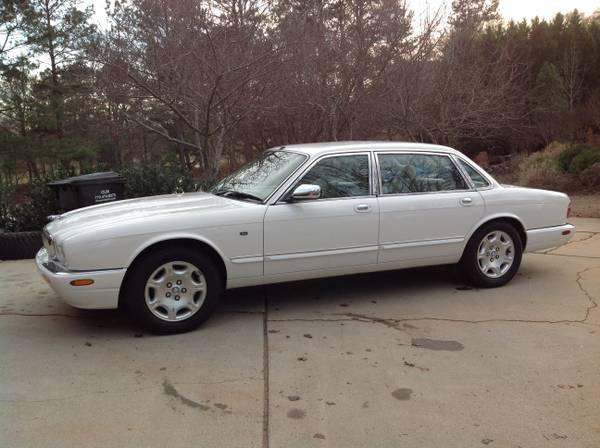
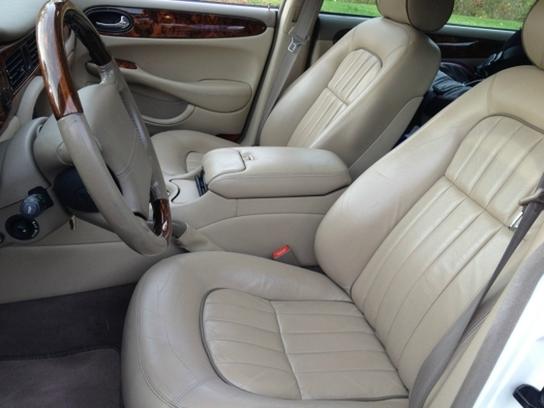
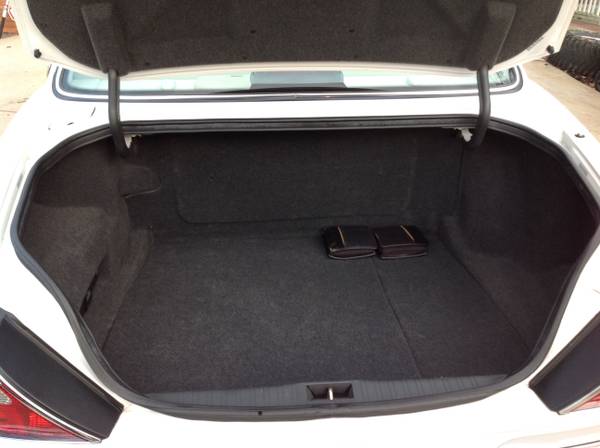
Take a look at my 2000 Jaguar XJ-V8-L touring sedan above; pristine!
Conclusion
Your thoughts and comments on this ME-P are appreciated. Feel free to review our top-left column, and top-right sidebar materials, links, URLs and related websites, too. Then, subscribe to the ME-P. It is fast, free and secure.
Link: http://feeds.feedburner.com/HealthcareFinancialsthePostForcxos
Speaker: If you need a moderator or speaker for an upcoming event, Dr. David E. Marcinko; MBA – Publisher-in-Chief of the Medical Executive-Post – is available for seminar or speaking engagements. Contact: MarcinkoAdvisors@msn.com
OUR OTHER PRINT BOOKS AND RELATED INFORMATION SOURCES:
DICTIONARIES: http://www.springerpub.com/Search/marcinko
PHYSICIANS: www.MedicalBusinessAdvisors.com
PRACTICES: www.BusinessofMedicalPractice.com
HOSPITALS: http://www.crcpress.com/product/isbn/9781466558731
CLINICS: http://www.crcpress.com/product/isbn/9781439879900
BLOG: www.MedicalExecutivePost.com
FINANCE: Financial Planning for Physicians and Advisors
INSURANCE: Risk Management and Insurance Strategies for Physicians and Advisors





Share this:

Filed under: LifeStyle, Touring with Marcinko | Tagged: auto detailing, How to Stop Winter Road Salt Vehicle Damage, Jaguar, jaguar XJ-V8-L |
 The Leading Business Education Network for Doctors, Financial Advisors and Health Industry Consultants
Winter Salt
Indeed – Getting frequent car washes throughout winter will not only keep your car as salt-free as possible but will also help prevent it from getting into the engine and air filters which may cause bigger issues.
Also, check the bottoms of all doors and any edges – hood and trunk. Those and any other nooks and crannies need to be regularly cleaned and dried.
Your car will “thank” you by remaining attractive and structurally intact.
Nigel
LikeLike
Nigel,
The undercarriage is at the highest risk level for road salt damage because it is constantly exposed to road salt — being so close to the road — and it does not feature a protective layer of paint, unless specially added.
Structural damage, such as severe rusting, can be very expensive to fix and can cause safety hazards.
Lyle
LikeLike
More on Auto Salt Damage
Salt can get into any nooks and crannies of your vehicle during winter driving; so one way of preserving your cherished vehicle is to have another means of transportation such as different car for the winter – “daily driver” or a “winter beater”.
If that is not viable, a trick I had learned is to squeeze motor oil through the door drip holes and wipe out excessive oil until the oil is filled to the bottom of the door sill. This prevents salt and salty water deposited at the bottom of the door sill to reduce rust.
Ken Yeung MBA
[Hong Kong]
LikeLike
Urban Sugar Legend
Sugar in the gas tank … There seems to be a popular misconception that sugar in the gas tank will ruin your car’s engine. The theory suggests that the sugar dissolves in the gasoline and then melts into a sludge as it passes through the engine, clogging every nook and cranny in a sugary goo.
In fact, the sugar doesn’t dissolve in the gas tank at all. Small amounts would be controlled by the fuel filter, but larger amounts would simply fill up the gas tank and prevent fuel from reaching the engine.
The reality is that the sugar would never really get anywhere near the engine, though a big deposit in the fuel tank would certainly be a nuisance.
Lyle
LikeLike
Underbody Flush
I agree with Lyle, above.
I have recommended for years that owners flush the underbody of their vehicles at least once a year to remove salt deposits, mud, dirt and other accumulated crud that could cause corrosion in the long term. Some manufacturers may recommend that as well, and even where it isn’t recommended, it is a good idea for those who engage in off-road driving or frequently travel unpaved roads.
Most do not make a big deal about underbody flushing, advising to use plain water to clean the underside of vehicles so salt and other debris doesn’t take up permanent residence. This can be done at a car wash (which sometimes offer underbody cleaning as an extra-cost service), with a garden hose in your driveway, or if you’re the type of owner for whom maintenance expense knows no bounds, you could take it to a dealer. I can’t help but wonder, though, how much cleaner the underside of your vehicle would be as a result of having a dealer do it (and how much would it cost)?
Perhaps having your vehicle washed on a regular basis and making sure some water is squirted where the sun doesn’t shine is all you need to keep the underbody clean. Just don’t get carried away, because you could do too much of a good thing.
So, I also caution, “Do not directly power wash the transfer case output seals” on all- and four-wheel-drive models. High-pressure water could damage the seals and contaminate the transfer case fluid, which would then need to be replaced.
Jerimiah
LikeLike