





 Support our online development, and advance our onground research initiatives in free market economics, as we seek to showcase the brightest Next-Gen minds.
THE ME-P DISCLAIMER: Posts, comments and opinions do not necessarily represent iMBA, Inc., but become our property after submission. Copyright © 2006 to-date. iMBA, Inc allows colleges, universities, medical and financial professionals and related clinics, hospitals and non-profit healthcare organizations to distribute our proprietary essays, photos, videos, audios and other documents; etc. However, please review copyright and usage information for each individual asset before submission to us, and/or placement on your publication or web site. Attestation references, citations and/or back-links are required. All other assets are property of the individual copyright holder.
Support our online development, and advance our onground research initiatives in free market economics, as we seek to showcase the brightest Next-Gen minds.
THE ME-P DISCLAIMER: Posts, comments and opinions do not necessarily represent iMBA, Inc., but become our property after submission. Copyright © 2006 to-date. iMBA, Inc allows colleges, universities, medical and financial professionals and related clinics, hospitals and non-profit healthcare organizations to distribute our proprietary essays, photos, videos, audios and other documents; etc. However, please review copyright and usage information for each individual asset before submission to us, and/or placement on your publication or web site. Attestation references, citations and/or back-links are required. All other assets are property of the individual copyright holder.


By Staff Reporters
On Client Attitudes in the New Economy
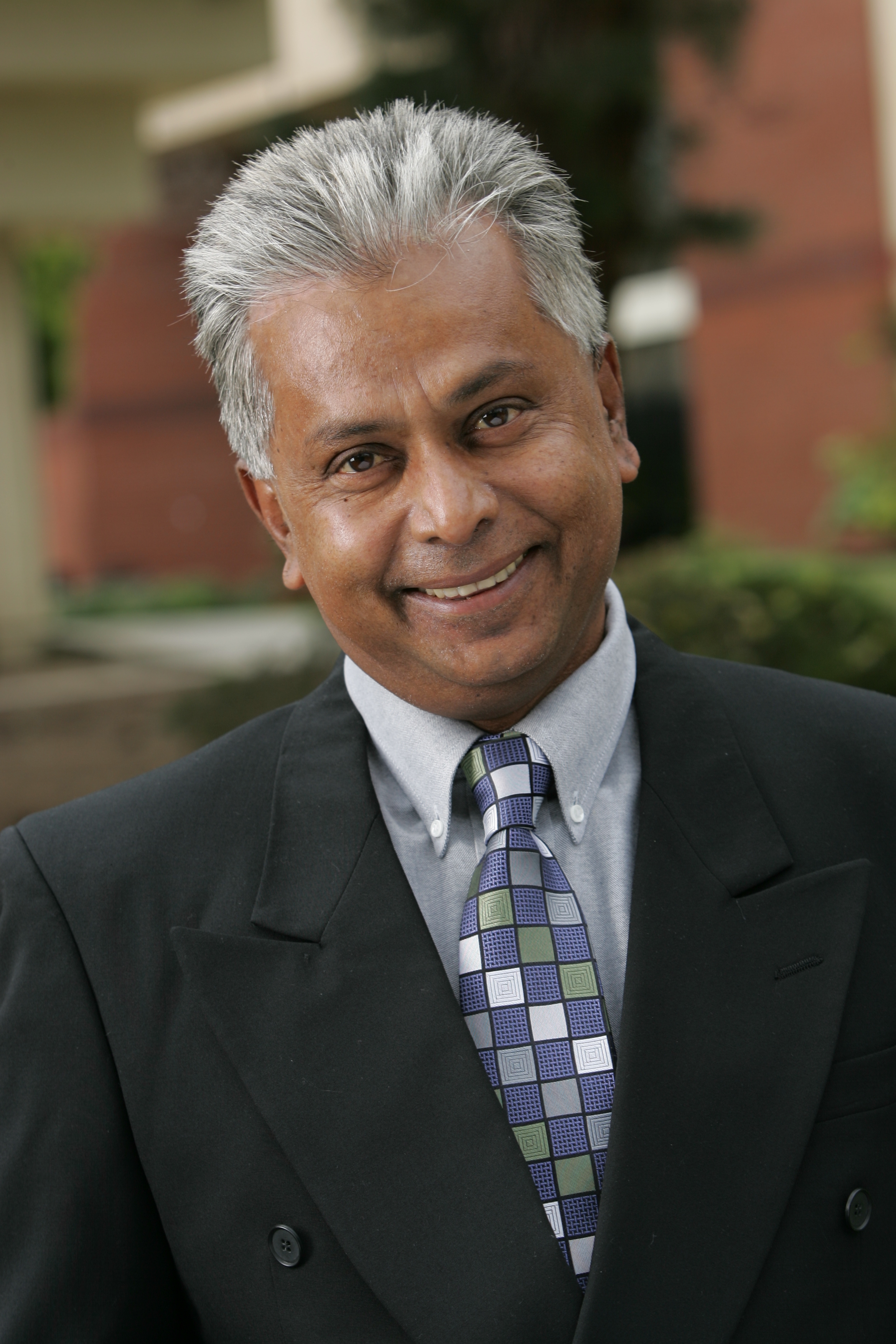
In this encore podcast, Somnath Basu PhD examines how the recent economic turmoil has changed financial planning clients’ attitudes and expectations.
Dr. Basu is a popular ME-P contributor and thought-leader.
Assessment: http://www.youtube.com/watch?v=jzAkB8h5v3Q
Conclusion
Your thoughts and comments on this ME-P are appreciated. Feel free to review our top-left column, and top-right sidebar materials, links, URLs and related websites, too. Then, subscribe to the ME-P. It is fast, free and secure.
Speaker: If you need a moderator or speaker for an upcoming event, Dr. David E. Marcinko; MBA – Publisher-in-Chief of the Medical Executive-Post – is available for seminar or speaking engagements. Contact: MarcinkoAdvisors@msn.com
OUR OTHER PRINT BOOKS AND RELATED INFORMATION SOURCES:
- PRACTICES: www.BusinessofMedicalPractice.com
- HOSPITALS: http://www.crcpress.com/product/isbn/9781466558731
- CLINICS: http://www.crcpress.com/product/isbn/9781439879900
- ADVISORS: www.CertifiedMedicalPlanner.org
- FINANCE: Financial Planning for Physicians and Advisors
- INSURANCE: Risk Management and Insurance Strategies for Physicians and Advisors
- Dictionary of Health Economics and Finance
- Dictionary of Health Information Technology and Security
- Dictionary of Health Insurance and Managed Care



Share this:

Filed under: Experts Invited, Financial Planning, Videos | Tagged: behavioral economics, behavioral finance, California Institute of Finance, california lutheran university, financial advisory clients, Financial Planning, Somnath Basu |
 The Leading Business Education Network for Doctors, Financial Advisors and Health Industry Consultants
Managing Financial [Physician] Behavior
Humans are not wired to work well with money, primarily because the behaviors that kept us alive during the Stone Age — acting on instinct and feelings — can destroy us financially when we (or family members) visit the mall.
For example, a lack of smart money habits is especially concerning for MDs given the reality of lower federal and state reimbursements for medical care, vanishing or lackluster pensions, and an under-funded Social Security system. Today, Americans save just 4.9% of their income per year1 — not nearly enough for long-term financial security.
http://www.physiciansmoneydigest.com/your-money/Managing-Financial-Behavior
Joseph
LikeLike