






 Support our online development, and advance our onground research initiatives in free market economics, as we seek to showcase the brightest Next-Gen minds.
THE ME-P DISCLAIMER: Posts, comments and opinions do not necessarily represent iMBA, Inc., but become our property after submission. Copyright © 2006 to-date. iMBA, Inc allows colleges, universities, medical and financial professionals and related clinics, hospitals and non-profit healthcare organizations to distribute our proprietary essays, photos, videos, audios and other documents; etc. However, please review copyright and usage information for each individual asset before submission to us, and/or placement on your publication or web site. Attestation references, citations and/or back-links are required. All other assets are property of the individual copyright holder.
Support our online development, and advance our onground research initiatives in free market economics, as we seek to showcase the brightest Next-Gen minds.
THE ME-P DISCLAIMER: Posts, comments and opinions do not necessarily represent iMBA, Inc., but become our property after submission. Copyright © 2006 to-date. iMBA, Inc allows colleges, universities, medical and financial professionals and related clinics, hospitals and non-profit healthcare organizations to distribute our proprietary essays, photos, videos, audios and other documents; etc. However, please review copyright and usage information for each individual asset before submission to us, and/or placement on your publication or web site. Attestation references, citations and/or back-links are required. All other assets are property of the individual copyright holder.


Changing the Way we Communicate
[By An Anonymous Physician]
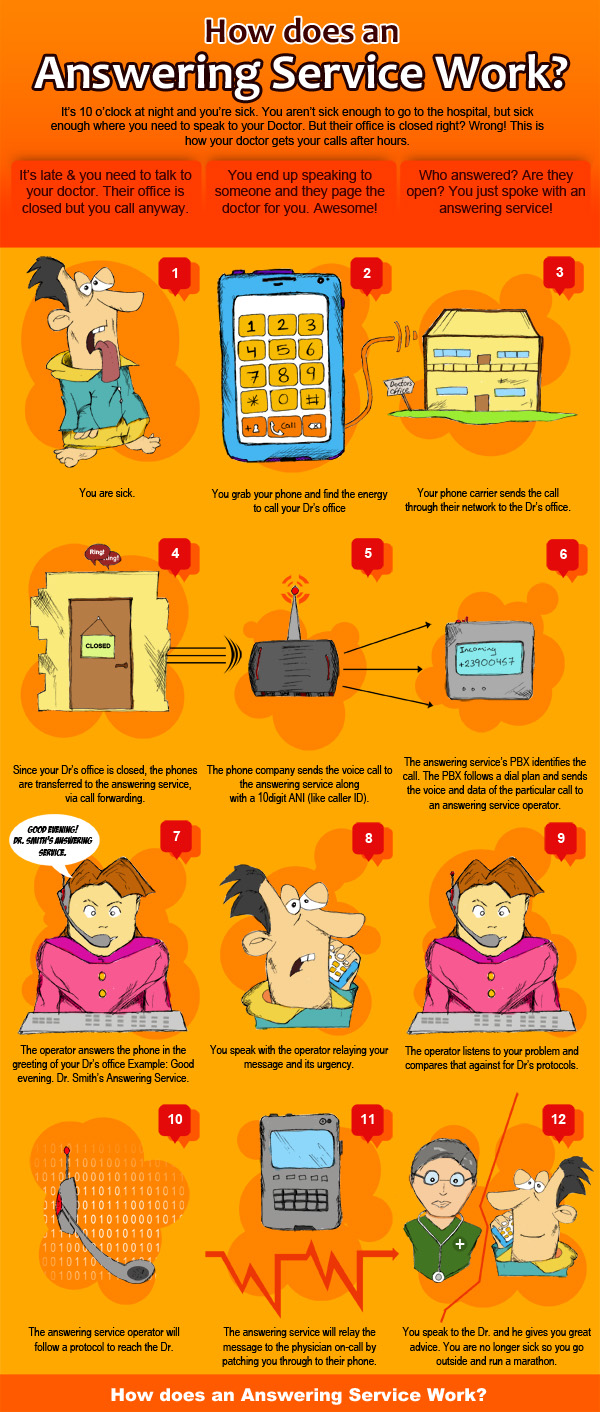
 Remember the old on-call beeper system?
Well, smartphones have changed the way people communicate. In fact, I do not know a single doctor, nurse or healthcare professional that does not have one. They let you quickly stay in touch with patients, the hospital, ER or medical clinic through calling, texting, emailing, or social networking tools.
But, a smartphone is also much more than a communication device. There are apps that help you manage your life, learn about the world around you, or simply keep you entertained. It’s easy to see why users are so impressed with their new tech, but can it go too far? So, how do you know if you’ve become addicted to your smartphone?
Here are a few indicators of concern:
It’s Always With You
One of the first steps to spotting an addiction is assessing how often you use your smartphone and how you feel when it’s not glued to your hand or resting in your pocket. Do you get nervous when your smartphone is out of sight or sitting more than an arm’s length away? Can you leave your phone in another room while you sleep, take a shower, or get dressed? You have voice mail for a reason, and it’s okay to occasionally be unreachable.
You Can’t Wait Without It
Without a doubt, a smartphone makes it easier to pass the time while waiting. You can play a game, read a book, check your email, or even catch up on some work. That’s great for sitting in your own doctor’s waiting room, but it shouldn’t become a need for the brief moments of downtime that crop up during your day. If you can’t wait two minutes for a cashier to ring up your groceries without pulling out your smartphone, you might have an addiction.
It Tracks Your Every Move
Smartphone apps often help you become more productive. You can monitor your diet and exercise, pay your bills and create virtual to-do lists. However, it’s easy to take this too far. You might have an addiction if you feel like you can’t eat, sleep, exercise, or go to the bathroom without logging it on your smartphone. (Yes, there are apps for all of that!)
You Call or Text People in the Same House
It’s easy to see how smartphones can help families stay in touch. But do you really need to text your kids when it’s time to come downstairs for dinner? Your family plan might make it free to call and text within your immediate family, but that doesn’t mean you need a fancy device to communicate when you are actually in the same house.
You Choose Your Phone Over Live Company
A smartphone can be great company when you’re bored and have some time on your own, but is it really better company than your actual friends? Twiddling with your smartphone while attempting to simultaneously carry on a face-to-face conversation is not multitasking! It’s just plain rude.
***

***
Assessment
I am not a psychiatrist by training, but if you find yourself frequently playing with your phone during social gatherings, there’s a pretty good chance that you may have a problem.
If you think you may be addicted to your smartphone, try taking a break from it. Put down the phone and give living, breathing people a chance. You will soon see that the world can be a fascinating place, even without augmented reality.
Conclusion
Your thoughts and comments on this ME-P are appreciated. Feel free to review our top-left column, and top-right sidebar materials, links, URLs and related websites, too. Then, subscribe to the ME-P. It is fast, free and secure.
Speaker: If you need a moderator or speaker for an upcoming event, Dr. David E. Marcinko; MBA – Publisher-in-Chief of the Medical Executive-Post – is available for seminar or speaking engagements. Contact: MarcinkoAdvisors@msn.com
OUR OTHER PRINT BOOKS AND RELATED INFORMATION SOURCES:
- DICTIONARIES: http://www.springerpub.com/Search/marcinko
- PHYSICIANS: www.MedicalBusinessAdvisors.com
- PRACTICES: www.BusinessofMedicalPractice.com
- HOSPITALS: http://www.crcpress.com/product/isbn/9781466558731
- CLINICS: http://www.crcpress.com/product/isbn/9781439879900
- ADVISORS: www.CertifiedMedicalPlanner.org
- BLOG: www.MedicalExecutivePost.com
- FINANCE: Financial Planning for Physicians and Advisors
- INSURANCE: Risk Management and Insurance Strategies for Physicians and Advisors


Share this:

Filed under: Practice Management | Tagged: medical beepers, smart phone addiction | 3 Comments »

 The Leading Business Education Network for Doctors, Financial Advisors and Health Industry Consultants