







 Support our online development, and advance our onground research initiatives in free market economics, as we seek to showcase the brightest Next-Gen minds.
THE ME-P DISCLAIMER: Posts, comments and opinions do not necessarily represent iMBA, Inc., but become our property after submission. Copyright © 2006 to-date. iMBA, Inc allows colleges, universities, medical and financial professionals and related clinics, hospitals and non-profit healthcare organizations to distribute our proprietary essays, photos, videos, audios and other documents; etc. However, please review copyright and usage information for each individual asset before submission to us, and/or placement on your publication or web site. Attestation references, citations and/or back-links are required. All other assets are property of the individual copyright holder.
Support our online development, and advance our onground research initiatives in free market economics, as we seek to showcase the brightest Next-Gen minds.
THE ME-P DISCLAIMER: Posts, comments and opinions do not necessarily represent iMBA, Inc., but become our property after submission. Copyright © 2006 to-date. iMBA, Inc allows colleges, universities, medical and financial professionals and related clinics, hospitals and non-profit healthcare organizations to distribute our proprietary essays, photos, videos, audios and other documents; etc. However, please review copyright and usage information for each individual asset before submission to us, and/or placement on your publication or web site. Attestation references, citations and/or back-links are required. All other assets are property of the individual copyright holder.


By Staff Reporters
***
***
Purpose, Function and Modern Importance
In an era where digital life is inseparable from daily life, concerns about privacy, security, and unrestricted access to information have become central to how people navigate the internet. One of the most widely adopted tools for addressing these concerns is the Virtual Private Network, more commonly known as a VPN. Although VPNs were originally developed for corporate environments, they have evolved into mainstream consumer tools used by millions around the world. Understanding what VPNs are, how they work, and why they matter offers valuable insight into the broader conversation about digital rights and online safety.
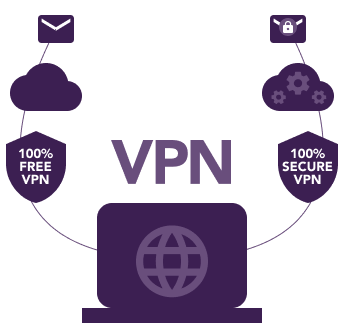
A VPN is essentially a secure, encrypted tunnel between a user’s device and a remote server operated by the VPN provider. When someone connects to the internet through a VPN, their traffic is routed through this tunnel before reaching its final destination. This process masks the user’s IP address, making it appear as though their connection originates from the VPN server rather than their actual location. The result is a layer of anonymity that helps shield users from tracking, surveillance, and certain forms of cyberattacks.
The core function of a VPN is encryption. When data travels across the internet without protection, it can be intercepted by malicious actors, internet service providers, or even unsecured public Wi‑Fi networks. Encryption scrambles this data into unreadable code, ensuring that even if someone manages to intercept it, they cannot decipher its contents. This is particularly important for people who frequently use public networks in places like airports, cafés, or hotels, where unsecured connections can leave devices vulnerable to eavesdropping or man‑in‑the‑middle attacks.
***
***
Beyond security, VPNs play a significant role in preserving privacy. Many websites and online services track user behavior, often collecting information about browsing habits, location, and device details. Internet service providers can also monitor and log user activity, sometimes selling this data to advertisers or sharing it with third parties. By masking a user’s IP address and routing traffic through a remote server, a VPN reduces the amount of identifiable information exposed during online activity. While it does not make someone completely anonymous, it meaningfully limits the ability of companies or individuals to trace activity back to a specific person.
Another major appeal of VPNs is their ability to bypass geographic restrictions. Many online services, such as streaming platforms or news websites, limit access to content based on a user’s location. This practice, known as geo‑blocking, can prevent people from viewing certain videos, reading certain articles, or accessing services that are only available in specific regions. By allowing users to connect through servers in different countries, VPNs make it possible to appear as though one is browsing from another location. This capability is often used for entertainment purposes, but it also has important implications for people living in regions with heavy internet censorship. In such environments, VPNs can provide access to information and communication tools that might otherwise be restricted.
Despite their benefits, VPNs are not without limitations. One common misconception is that a VPN provides complete anonymity or absolute protection from all cyber threats. In reality, a VPN is only one layer of security. It does not protect against malware, phishing attempts, or unsafe user behavior. Additionally, the level of privacy a VPN offers depends heavily on the provider’s policies and trustworthiness. Some providers may log user activity or share data with third parties, undermining the very privacy users seek. Choosing a reputable provider is therefore essential.
Performance can also be affected when using a VPN. Because traffic must be encrypted and routed through a remote server, connection speeds may slow down, especially if the server is far away or overloaded. While many modern VPNs have optimized their infrastructure to minimize speed loss, the trade‑off between privacy and performance remains a consideration for users.
The growing popularity of VPNs reflects broader societal concerns about digital autonomy. As more aspects of life move online, individuals are increasingly aware of how much information they expose simply by browsing, shopping, or communicating. VPNs offer a practical way to regain some control over that exposure. They empower users to protect their data, access information freely, and navigate the internet with greater confidence.
At the same time, the rise of VPNs highlights ongoing debates about the balance between privacy and regulation. Some governments restrict or ban VPN use, arguing that it can facilitate illegal activity or undermine national security. Others view VPNs as essential tools for protecting free expression and personal liberty. These differing perspectives underscore the complex role VPNs play in the modern digital landscape.
In summary, Virtual Private Networks have become indispensable tools for enhancing online privacy, securing data, and enabling open access to information. While they are not a perfect or complete solution to every digital threat, they offer meaningful protection in a world where personal data is constantly at risk. As technology continues to evolve and the internet becomes even more deeply woven into daily life, the importance of tools like VPNs is likely to grow. Understanding how they work and what they offer helps individuals make informed decisions about their digital safety and autonomy.
COMMENTS APPRECIATED
SPEAKING: Dr. Marcinko will be speaking and lecturing, signing and opining, teaching and preaching, storming and performing at many locations throughout the USA this year! His tour of witty and serious pontifications may be scheduled on a planned or ad-hoc basis; for public or private meetings and gatherings; formally, informally, or over lunch or dinner. All medical societies, financial advisory firms or Broker-Dealers are encouraged to submit an RFP for speaking engagements: CONTACT: Ann Miller RN MHA at MarcinkoAdvisors@outlook.com -OR- http://www.MarcinkoAssociates.com
Like, Refer and Subscribe
***
***
Share this:

Filed under: iMBA, Inc. | Tagged: david marcinko |
 The Leading Business Education Network for Doctors, Financial Advisors and Health Industry Consultants
Leave a comment