







 Support our online development, and advance our onground research initiatives in free market economics, as we seek to showcase the brightest Next-Gen minds.
THE ME-P DISCLAIMER: Posts, comments and opinions do not necessarily represent iMBA, Inc., but become our property after submission. Copyright © 2006 to-date. iMBA, Inc allows colleges, universities, medical and financial professionals and related clinics, hospitals and non-profit healthcare organizations to distribute our proprietary essays, photos, videos, audios and other documents; etc. However, please review copyright and usage information for each individual asset before submission to us, and/or placement on your publication or web site. Attestation references, citations and/or back-links are required. All other assets are property of the individual copyright holder.
Support our online development, and advance our onground research initiatives in free market economics, as we seek to showcase the brightest Next-Gen minds.
THE ME-P DISCLAIMER: Posts, comments and opinions do not necessarily represent iMBA, Inc., but become our property after submission. Copyright © 2006 to-date. iMBA, Inc allows colleges, universities, medical and financial professionals and related clinics, hospitals and non-profit healthcare organizations to distribute our proprietary essays, photos, videos, audios and other documents; etc. However, please review copyright and usage information for each individual asset before submission to us, and/or placement on your publication or web site. Attestation references, citations and/or back-links are required. All other assets are property of the individual copyright holder.


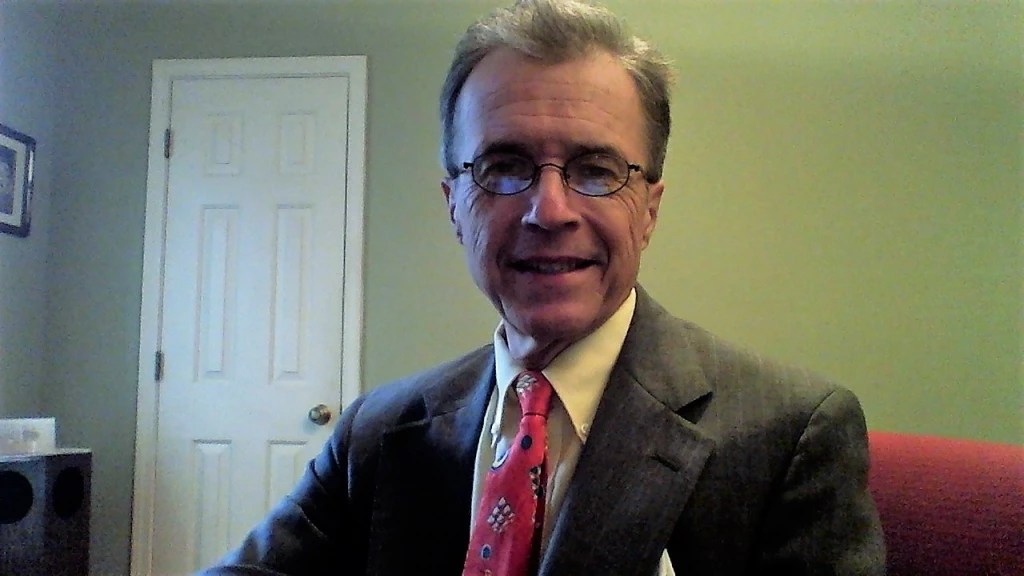
Dr. David Edward Marcinko MBA MEd
***
***
Essay on Social HMOs
Social Health Maintenance Organizations (Social HMOs) represent a unique experiment in the American healthcare system, designed to integrate medical services with long‑term care and social support for older adults. Emerging in the 1980s, these programs sought to bridge the gap between traditional health insurance and the broader needs of seniors who often require not only medical treatment but also assistance with daily living, rehabilitation, and community‑based services. By combining the structure of an HMO with social service benefits, Social HMOs aimed to create a more holistic model of care.
At their foundation, HMOs are organizations that provide health coverage through a network of doctors, hospitals, and clinics. Members typically pay a fixed monthly premium and receive access to a range of services, with an emphasis on preventive care and cost control. Social HMOs expanded this model by adding benefits that went beyond standard medical coverage. These included home health care, adult day care, personal care aides, and case management services. The idea was to recognize that health for older adults is not defined solely by medical treatment but also by the ability to live independently, maintain social connections, and receive support in managing chronic conditions.
***
***
One of the central innovations of Social HMOs was the integration of long‑term care into a health insurance framework. Traditionally, long‑term care—such as nursing home stays or in‑home assistance—was not covered by Medicare or most private insurance plans. Seniors often faced financial hardship when they needed extended support. Social HMOs attempted to address this gap by pooling resources and offering a package of benefits that included both medical and social services. This integration was intended to reduce fragmentation in care, improve outcomes, and lower costs by keeping individuals healthier and more independent for longer periods.
Another important aspect of Social HMOs was the emphasis on case management. Each participant was assigned a care coordinator who assessed their needs, developed a personalized care plan, and connected them with appropriate services. This approach recognized that seniors often navigate complex health and social challenges, and that coordination is essential to avoid duplication, gaps, or unnecessary hospitalizations. By focusing on individualized planning, Social HMOs aimed to deliver care that was both efficient and compassionate.
Despite their promise, Social HMOs faced significant challenges. Funding was a persistent issue, as the cost of providing expanded benefits often exceeded the resources available. Balancing medical care with social services required careful management, and not all organizations were able to sustain the model. Additionally, participation was limited to certain regions and populations, meaning that many seniors across the country never had access to these programs. Over time, some Social HMOs were phased out or transformed into other integrated care models, such as Medicare Advantage Special Needs Plans or Programs of All‑Inclusive Care for the Elderly (PACE).
Nevertheless, the legacy of Social HMOs is important. They demonstrated the value of integrating medical and social services, highlighting that health outcomes improve when seniors receive comprehensive support. The lessons learned from these programs influenced later reforms and continue to shape discussions about how to care for an aging population. In particular, the recognition that preventive and supportive services can reduce hospitalizations and nursing home admissions remains a guiding principle in modern elder care policy.
In conclusion, Social HMOs were a pioneering effort to rethink healthcare for older adults. By combining traditional HMO structures with social service benefits, they offered a more complete vision of health coverage—one that acknowledged the realities of aging and the importance of independence. While not without limitations, Social HMOs provided valuable insights into how integrated care can enhance quality of life and reduce costs. Their influence endures in contemporary models that continue to seek balance between medical treatment and social support, reminding us that true health care must address the whole person, not just their medical conditions.
COMMENTS APPRECIATED
SPEAKING: Dr. Marcinko will be speaking and lecturing, signing and opining, teaching and preaching, storming and performing at many locations throughout the USA this year! His tour of witty and serious pontifications may be scheduled on a planned or ad-hoc basis; for public or private meetings and gatherings; formally, informally, or over lunch or dinner. All medical societies, financial advisory firms or Broker-Dealers are encouraged to submit an RFP for speaking engagements: CONTACT: Ann Miller RN MHA at MarcinkoAdvisors@outlook.com -OR- http://www.MarcinkoAssociates.com
Like, Refer and Subscribe
***
***
Share this:

Filed under: iMBA, Inc. | Tagged: david marcinko |
 The Leading Business Education Network for Doctors, Financial Advisors and Health Industry Consultants
Leave a comment