ME-P SYNDICATIONS:
WSJ.com,
CNN.com,
Forbes.com,
WashingtonPost.com,
BusinessWeek.com,
USNews.com, Reuters.com,
TimeWarnerCable.com,
e-How.com,
News Alloy.com,
and Congress.org


BOARD CERTIFICATION EXAM STUDY GUIDES
Lower Extremity Trauma
[Click on Image to Enlarge]
The “Medical Executive-Post” is about connecting doctors, health care executives and modern consulting advisors. It’s about free-enterprise, business, practice, policy, personal financial planning and wealth building capitalism. We have an attitude that’s independent, outspoken, intelligent and so Next-Gen; often edgy, usually controversial. And, our consultants “got fly”, just like U. Read it! Write it! Post it! “Medical Executive-Post”. Call or email us for your FREE advertising and sales consultation TODAY [678.779.8597] E-mail: MarcinkoAdvisors1738@outlook.com



ePodiatryConsentForms.com
Suite #5901 Wilbanks Drive, Norcross, Georgia, 30092 USA [1.678.779.8597]. Our location is real and we are now virtually enabled to assist new long distance clients and out-of-town colleagues.
If you want the opportunity to work with leading health care industry insiders, innovators and watchers, the “ME-P” may be right for you? We are unbiased and operate at the nexus of theoretical and applied R&D. Collaborate with us and you’ll put your brand in front of a smart & tightly focused demographic; one at the forefront of our emerging healthcare free marketplace of informed and professional “movers and shakers.” Our Ad Rate Card is available upon request [678-779-8597].

“Providing Management, Financial and Business Solutions for Modernity”
Whether you’re a mature CXO, physician or start-up entrepreneur in need of management, financial, HR or business planning information on free markets and competition, the "Medical Executive-Post” is the online place to meet for Capitalism 2.0 collaboration.

Support our online development, and advance our onground research initiatives in free market economics, as we seek to showcase the brightest Next-Gen minds.
THE ME-P DISCLAIMER: Posts, comments and opinions do not necessarily represent iMBA, Inc., but become our property after submission. Copyright © 2006 to-date. iMBA, Inc allows colleges, universities, medical and financial professionals and related clinics, hospitals and non-profit healthcare organizations to distribute our proprietary essays, photos, videos, audios and other documents; etc. However, please review copyright and usage information for each individual asset before submission to us, and/or placement on your publication or web site. Attestation references, citations and/or back-links are required. All other assets are property of the individual copyright holder.







 The Leading Business Education Network for Doctors, Financial Advisors and Health Industry Consultants
SDOH
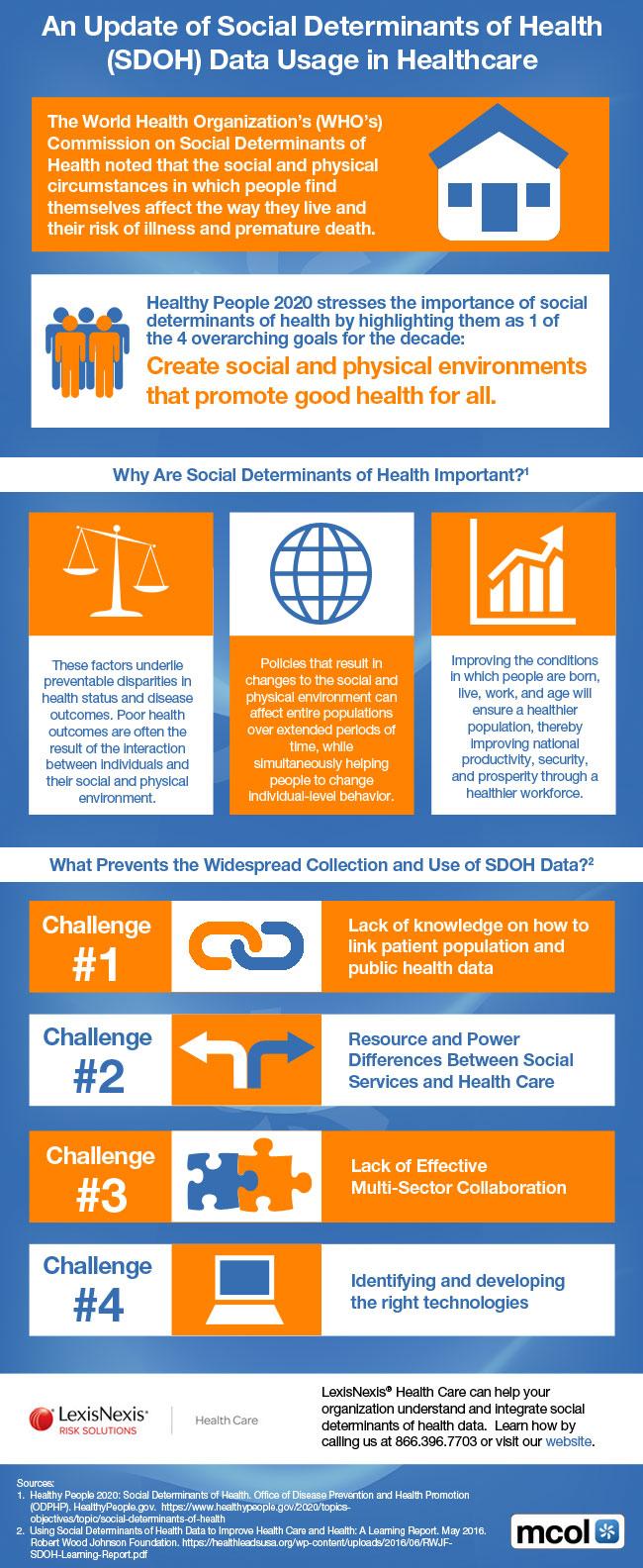
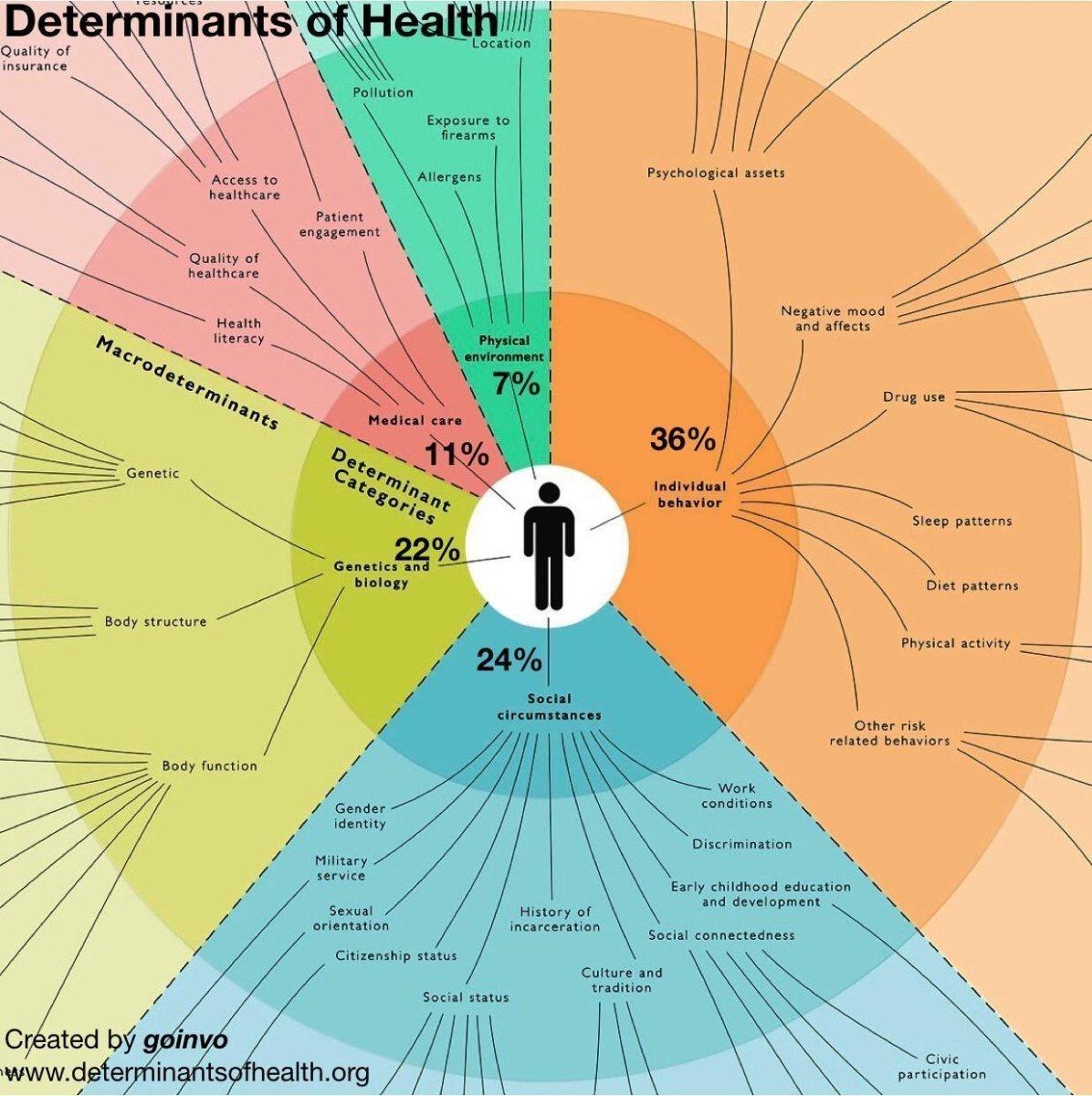
As you will read among other articles on this topic, it is competing priorities which presents the biggest challenges for the C-Suite. While process improvement, efficiency gains and better care can be derived from such an investment on SDOH, it is often the “soft” costs used as the measure. When looking at ROI, most want it to be more tangible for the result. Investing in technology or a new business line, you are looking at revenue growth. Investing in SDOH one is measuring resulting savings and reduced loss. Where we are with value-based reimbursement, it is imperative that healthcare organizations not only streamline but also maintain the quality of care. It is managing the patients from the vulnerable populations that is the real challenge.
Organizations with sound quality management systems that look at both the operational and clinical aspects of care can impact the savings to be realized. Whether it be increased costs from a patient population using the Emergency Department as their care provider or the costs of readmissions, making investments in technology, process change, projects focused on specific needs, these can make a considerable impact that will be realized with maintaining reimbursement and not being penalized.
As we look to the future of precision medicine and advancements in technology, this will enable providers to provide a means for better assessment models to identify those more at-risk. The resulting affect is that processes change by introducing new protocols or other means to better manage patients. The more consistent, the more to be gained. Lack of data is a shortcoming because most of the systems do not have a robust method in place for identifying social and behavioral concerns that should be considered in preparing a treatment plan for the patient.
There is objective evidence from success stories that have proven to be effective, but they made an investment to make this happen. Is it worthwhile for investment in SDOH, of course, but how to prioritize this among the other needs that are part of capital and operating budgets. If hospitals are not effective in how they are delivering care in the value-based reimbursement model that will likely continue, they will feel the pinch of this. Use a little now to save a lot more later.
Patrick Horine
President – DNC GL Healthcare USA, Inc.
via Ann Miller RN MHA
LikeLike