







 Support our online development, and advance our onground research initiatives in free market economics, as we seek to showcase the brightest Next-Gen minds.
THE ME-P DISCLAIMER: Posts, comments and opinions do not necessarily represent iMBA, Inc., but become our property after submission. Copyright © 2006 to-date. iMBA, Inc allows colleges, universities, medical and financial professionals and related clinics, hospitals and non-profit healthcare organizations to distribute our proprietary essays, photos, videos, audios and other documents; etc. However, please review copyright and usage information for each individual asset before submission to us, and/or placement on your publication or web site. Attestation references, citations and/or back-links are required. All other assets are property of the individual copyright holder.
Support our online development, and advance our onground research initiatives in free market economics, as we seek to showcase the brightest Next-Gen minds.
THE ME-P DISCLAIMER: Posts, comments and opinions do not necessarily represent iMBA, Inc., but become our property after submission. Copyright © 2006 to-date. iMBA, Inc allows colleges, universities, medical and financial professionals and related clinics, hospitals and non-profit healthcare organizations to distribute our proprietary essays, photos, videos, audios and other documents; etc. However, please review copyright and usage information for each individual asset before submission to us, and/or placement on your publication or web site. Attestation references, citations and/or back-links are required. All other assets are property of the individual copyright holder.


The Trend is NOT Your Friend
Obesity, according to Wikipedia, is a medical condition in which excess body fat has accumulated to the extent that it may have a negative effect on health.[1] People are generally considered obese when their body mass index (BMI), a measurement obtained by dividing a person’s weight by the square of the person’s height, is over 30 kg/m2, with the range 25–30 kg/m2 defined as overweight.[1] Some East Asian countries use lower values.[2] Obesity increases the likelihood of various diseases, particularly heart disease, type 2 diabetes, obstructive sleep apnea, certain types of cancer, and osteoarthritis.[3]
Obesity is most commonly caused by a combination of excessive food intake, lack of physical activity, and genetic susceptibility.[1][4] A few cases are caused primarily by genes, endocrine disorders, medications, or mental illness.[5] Evidence to support the view that obese people eat little yet gain weight due to a slow metabolism is not generally supported.[6] On average, obese people have a greater energy expenditure than their thin counterparts due to the energy required to maintain an increased body mass.[6][7]
***

**
Obesity is mostly preventable through a combination of social changes and personal choices.[1] Changes to diet and exercising are the main treatments.[3] Diet quality can be improved by reducing the consumption of energy-dense foods, such as those high in fat and sugars, and by increasing the intake of dietary fiber.[1] Medications may be taken, along with a suitable diet, to reduce appetite or decrease fat absorption.[8] If diet, exercise, and medication are not effective, a gastric balloon or surgery may be performed to reduce stomach volume or bowel length, leading to feeling full earlier or a reduced ability to absorb nutrients from food.[9][10]
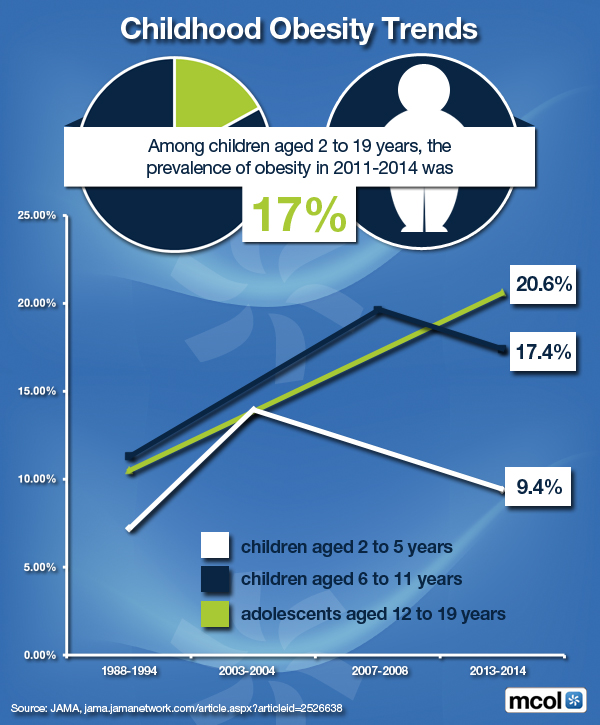
Obesity is a leading preventable cause of death worldwide, with increasing rates in adults and children.[1][11] In 2014, 600 million adults (13%) and 42 million children under the age of five were obese.[1] Obesity is more common in women than men.[1] Authorities view it as one of the most serious public health problems of the 21st century.[12] Obesity is stigmatized in much of the modern world (particularly in the Western world), though it was seen as a symbol of wealth and fertility at other times in history and still is in some parts of the world.[3][13]
***
***
Assessment
In 2013, the American Medical Association classified obesity as a disease.[14][15]
Conclusion
Your thoughts and comments on this ME-P are appreciated. Feel free to review our top-left column, and top-right sidebar materials, links, URLs and related websites, too. Then, subscribe to the ME-P. It is fast, free and secure.
Speaker: If you need a moderator or speaker for an upcoming event, Dr. David E. Marcinko; MBA – Publisher-in-Chief of the Medical Executive-Post – is available for seminar or speaking engagements. Contact: MarcinkoAdvisors@msn.com
OUR OTHER PRINT BOOKS AND RELATED INFORMATION SOURCES:
- PRACTICES: www.BusinessofMedicalPractice.com
- HOSPITALS: http://www.crcpress.com/product/isbn/9781466558731
- CLINICS: http://www.crcpress.com/product/isbn/9781439879900
- ADVISORS: www.CertifiedMedicalPlanner.org
- FINANCE: Financial Planning for Physicians and Advisors
- INSURANCE: Risk Management and Insurance Strategies for Physicians and Advisors
- Dictionary of Health Economics and Finance
- Dictionary of Health Information Technology and Security
- Dictionary of Health Insurance and Managed Care


***
Share this:

Filed under: Research & Development, Risk Management | Tagged: Childhood Obesity Trends | 5 Comments »
 The Leading Business Education Network for Doctors, Financial Advisors and Health Industry Consultants