





 Support our online development, and advance our onground research initiatives in free market economics, as we seek to showcase the brightest Next-Gen minds.
THE ME-P DISCLAIMER: Posts, comments and opinions do not necessarily represent iMBA, Inc., but become our property after submission. Copyright © 2006 to-date. iMBA, Inc allows colleges, universities, medical and financial professionals and related clinics, hospitals and non-profit healthcare organizations to distribute our proprietary essays, photos, videos, audios and other documents; etc. However, please review copyright and usage information for each individual asset before submission to us, and/or placement on your publication or web site. Attestation references, citations and/or back-links are required. All other assets are property of the individual copyright holder.
Support our online development, and advance our onground research initiatives in free market economics, as we seek to showcase the brightest Next-Gen minds.
THE ME-P DISCLAIMER: Posts, comments and opinions do not necessarily represent iMBA, Inc., but become our property after submission. Copyright © 2006 to-date. iMBA, Inc allows colleges, universities, medical and financial professionals and related clinics, hospitals and non-profit healthcare organizations to distribute our proprietary essays, photos, videos, audios and other documents; etc. However, please review copyright and usage information for each individual asset before submission to us, and/or placement on your publication or web site. Attestation references, citations and/or back-links are required. All other assets are property of the individual copyright holder.


And the Convenient Care Association
[By Dr. David Edward Marcinko MBA]
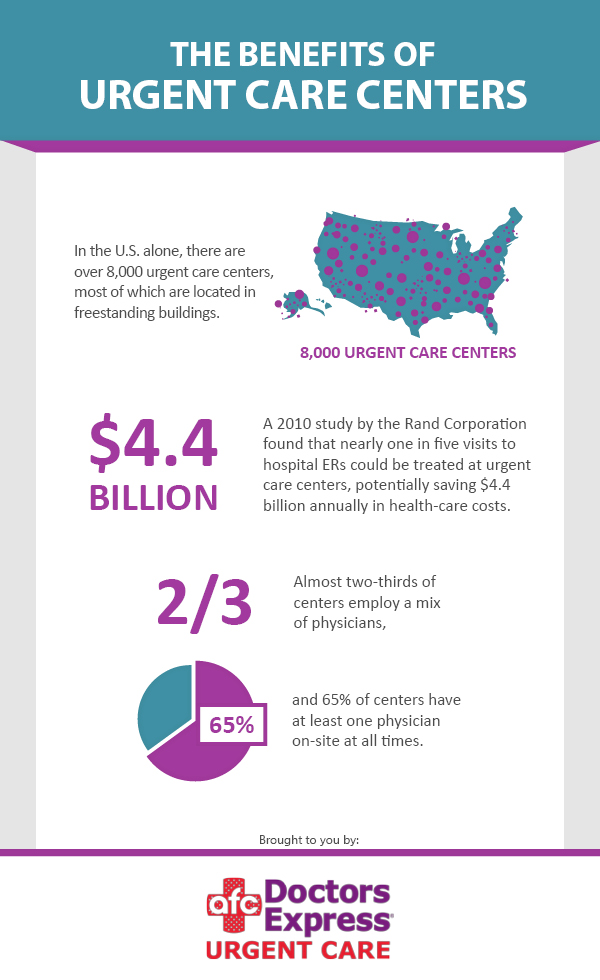
 The Convenient Care Association [CCA] is comprised of companies, medical providers and healthcare systems that provide patients and consumers with accessible, [urgent], affordable and quality healthcare in retail-based locations.
The CCA works primarily to enhance and sustain the growth of the convenient care industry through sharing of best practices and common standards of operation.

The CCA was founded in October 2006 and the first Convenient Care Clinics [CCCs] opened in 2000. The industry grew quickly since then.
Today there are approximately 1,060 clinics in operation, and CCA member clinics represent more than 95% of the industry.
To date, CCCs have served more than 3.5 million patients with its nurse practitioners [NPs] and physician assistants [PAs]. With this rapid expansion, and projected continued growth, it quickly became clear that the shared concerns and needs of both providers and patients could best be served through an association that allowed for:
- Sharing best practices, common standards of operation, experiences and ideas.
- Developing common standards of operation to ensure the highest quality of care.
- A united voice to advance the needs of CCCs and their customers
- A unified effort to promote the concept of CCCs, and to respond to questions about this evolving industry.
- Reaching out to the existing medical community and creating new partnerships.
- Building synergies with traditional medical service providers.
Assessment
The Public Health Management Corporation [PHMC], a nonprofit public health institute, provides executive management and administrative support for the Convenient Care Association.

Conclusion
Your thoughts and comments on this ME-P are appreciated. Feel free to review our top-left column, and top-right sidebar materials, links, URLs and related websites, too. Then, subscribe to the ME-P. It is fast, free and secure.
Speaker: If you need a moderator or speaker for an upcoming event, Dr. David E. Marcinko; MBA – Publisher-in-Chief of the Medical Executive-Post – is available for seminar or speaking engagements. Contact: MarcinkoAdvisors@msn.com
OUR OTHER PRINT BOOKS AND RELATED INFORMATION SOURCES:
- PRACTICES: www.BusinessofMedicalPractice.com
- HOSPITALS: http://www.crcpress.com/product/isbn/9781466558731
- CLINICS: http://www.crcpress.com/product/isbn/9781439879900
- ADVISORS: www.CertifiedMedicalPlanner.org
- FINANCE: Financial Planning for Physicians and Advisors
- INSURANCE: Risk Management and Insurance Strategies for Physicians and Advisors
- Dictionary of Health Economics and Finance
- Dictionary of Health Information Technology and Security
- Dictionary of Health Insurance and Managed Care



Share this:

Filed under: Career Development, Practice Management, Research & Development | Tagged: CCA, convenient care association, David E. Marcinko, retail medical clinics, Urgent Care Centers |
 The Leading Business Education Network for Doctors, Financial Advisors and Health Industry Consultants
Growth
Urgent care clinics like City Practice Group of New York and Concentra are growing at a rate of about 20% a year, reported Doni Bloomfield at Bloomberg Business.
http://www.bloomberg.com/news/articles/2015-01-08/medical-clinics-take-over-malls-empty-spaces
Moss
LikeLike
Walk-in Clinics Force Big Medicine to Rethink
When Christine Ryan’s ear was aching one recent afternoon, she didn’t head to the doctor’s office or emergency room; she went to her local CVS store in Cambridge. Within 20 minutes, Ryan had been diagnosed with an ear infection and was picking up medicine and heading back to work. “This was the quickest visit I’ve ever had in my life,” the 24-year-old human resources professional said. Consumers like Ryan increasingly are looking for faster and more convenient options to get basic medical care, and retailers like CVS are filling the gap with walk-in clinics and other services. That’s forcing traditional healthcare providers, from small doctors offices to big hospitals, to react.
At Atrius Health, a large medical group, more doctors are leaving their doors open until 8 p.m. Tufts Medical Center is taking online appointments for its emergency room. Several hospital networks are building walk-in clinics for urgent care. Doctors have started seeing patients through video chats. And apps are being built that will let consumers make appointments and view medical information from their phones, the way consumers already access so many other services. “This represents a huge paradigm shift in healthcare,” said Normand E. Deschene, chief executive of Wellforce, the parent company of Tufts Medical Center and Lowell General Hospital. “The systems that are going to succeed are those that are going to embrace it because this is what the consumers want. Most industries follow what their consumers want. Healthcare should be no different.”
Source: Priyanka Dayal McCluskey and Taryn Luna, Boston Globe [8/8/15]
LikeLike
Survey: 25% of Consumers Have Used a Retail Clinic
Oliver Wyman recently conducted a survey on consumer experiences with alternative care sites like retail health clinics and telehealth. Here are some key findings from the report:
• 70% of consumers are familiar with the concept of a health and wellness clinic within a retail store.
• One-quarter of consumers have used a retail clinic, an increase of 11 percentage points from 2013.
• 78% said their retail clinic experience was the same or better than a traditional office visit.
• 3 in 10 said their retail clinic experience was better or much better than a traditional office visit.
• 17% of consumers say they would never use a retail clinic for any reason.
• 57% of consumers are now familiar with the concept of a remote health visit conducted via phone/video.
Source: Oliver Wyman, March 16, 2016
LikeLike
Contemporary Clinic: 5 Facts About Youth Visits to Retail Clinics
1. Fewer than 1 in 20 youth healthcare visits are provided in retail or urgent care clinics.
2. 38% to 42% of youth visits to retail clinics are for upper respiratory infections.
3. Otitis media is the second most common reason for a retail clinic visit.
4. The third most common reason for a youth to visit a retail clinic is immunization.
5. Out-of-pocket costs range from $4 to $18 for youth visits to retail clinics.
Source: Contemporary Clinic
LikeLike
12 Major Players in the Retail Clinics Market
1. Kroger
2. Rite Aid
3. Doctors Care
4. Clear Balance
5. CVS Health’s MinuteClinic
6. NEXtCARE
7. RediClinic
8. Target Brands, Inc.
9. The Little Clinic
10. U.S. HealthWorks, Inc.
11. Urgent Care MSO, LLC
12. Walgreen Co.
Source: Transparency Market Research
LikeLike
Urgent Care Centers Charged $242 for a New Patient Visit in 2016
FAIR Health recently released an analysis on healthcare setting and price trends. Here are some key findings from the report::
• In 2016, the median charge for a 30-minute new patient visit was $294 in an office.
• A 30-minute new patient office visit was $109 in a retail clinic in 2016.
• In an urgent care center, the median charge for a new patient visit was $242.
• 18% of urgent care claims were for adults aged 31 to 40.
• The peak age groups for telehealth were 41-50 and 51-60 (19% each).
• From 2007 to 2016, urgent care center claims increased 1,725%.
Source: FAIR Health, March 2018
LikeLike
FAIR Health: Common diagnostic categories at retail clinics in 2017
1. Acute respiratory infections: 34%
2. All others: 18%
3. Exposure to communicable diseases: 12%
4. Ear infections: 6%
5. Encounter for examination: 6%
6. Urinary tract infections: 5%
7. General symptoms: 5%
8. Dermatological issue: 5%
9. Mental health disorder: 3%
10. Chronic respiratory infections: 3%
11. Influenza and pneumonia: 3%
Notes: From a white paper entitled, “FH Healthcare Indicators® and FH Medical Price Index® 2019”
Barry
Source: The 20 Most Expensive Drugs in the U.S.A.
LikeLike