







 Support our online development, and advance our onground research initiatives in free market economics, as we seek to showcase the brightest Next-Gen minds.
THE ME-P DISCLAIMER: Posts, comments and opinions do not necessarily represent iMBA, Inc., but become our property after submission. Copyright © 2006 to-date. iMBA, Inc allows colleges, universities, medical and financial professionals and related clinics, hospitals and non-profit healthcare organizations to distribute our proprietary essays, photos, videos, audios and other documents; etc. However, please review copyright and usage information for each individual asset before submission to us, and/or placement on your publication or web site. Attestation references, citations and/or back-links are required. All other assets are property of the individual copyright holder.
Support our online development, and advance our onground research initiatives in free market economics, as we seek to showcase the brightest Next-Gen minds.
THE ME-P DISCLAIMER: Posts, comments and opinions do not necessarily represent iMBA, Inc., but become our property after submission. Copyright © 2006 to-date. iMBA, Inc allows colleges, universities, medical and financial professionals and related clinics, hospitals and non-profit healthcare organizations to distribute our proprietary essays, photos, videos, audios and other documents; etc. However, please review copyright and usage information for each individual asset before submission to us, and/or placement on your publication or web site. Attestation references, citations and/or back-links are required. All other assets are property of the individual copyright holder.


DEFINITION
By Staff Reporters
***
***
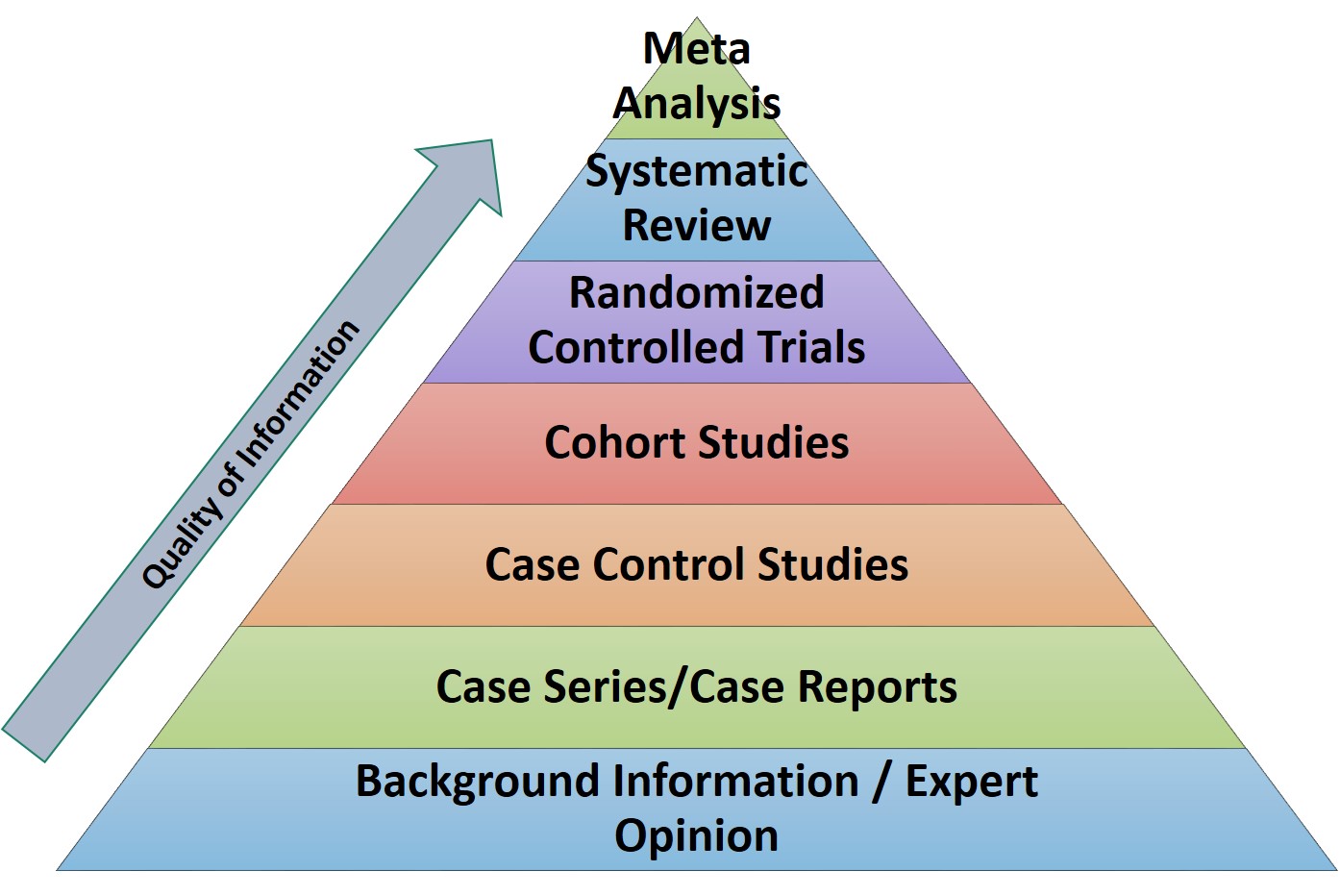
Meta-analysis is a quantitative, formal, epidemiological study design used to systematically assess previous research studies to derive conclusions about that body of research. Outcomes from a meta-analysis may include a more precise estimate of the effect of treatment or risk factor for disease, or other outcomes, than any individual study contributing to the pooled analysis. The examination of variability or heterogeneity in study results is also a critical outcome.
Statistics: https://medicalexecutivepost.com/2025/03/14/statistics-physicians-beware/
The benefits of meta-analysis include a consolidated and quantitative review of a large, and often complex, sometimes apparently conflicting, body of literature. The specification of the outcome and hypotheses that are tested is critical to the conduct of meta-analyses, as is a sensitive literature search. A failure to identify the majority of existing studies can lead to erroneous conclusions; however, there are methods of examining data to identify the potential for studies to be missing; for example, by the use of funnel plots.
Evidence Based Medicine: https://medicalexecutivepost.com/2016/05/18/an-fa-hayekian-defense-of-evidence-based-medicine/
Rigorously conducted meta-analyses are useful tools in evidence-based medicine. The need to integrate findings from many studies ensures that meta-analytic research is desirable and the large body of research now generated makes the conduct of this research feasible.
Evidence Based Dentistry: https://medicalexecutivepost.com/2009/03/23/reflections-on-evidence-based-dentistry/
Meta Analysis in Medical Research: https://pmc.ncbi.nlm.nih.gov/articles/PMC3049418/
COMMENTS APPRECIATED
Like and Subscribe
***
***
Share this:

Filed under: Ask a Doctor, Glossary Terms, Health Economics, Information Technology, Pruitt's Platform, Quality Initiatives, Touring with Marcinko | Tagged: critical outcomes, evidence based dentistry, evidence based medicine, funnel plots, Marcinko, medicine, Meta, meta analysis, Pruitt, quantitative review, statistics | Leave a comment »
 The Leading Business Education Network for Doctors, Financial Advisors and Health Industry Consultants