






 Support our online development, and advance our onground research initiatives in free market economics, as we seek to showcase the brightest Next-Gen minds.
THE ME-P DISCLAIMER: Posts, comments and opinions do not necessarily represent iMBA, Inc., but become our property after submission. Copyright © 2006 to-date. iMBA, Inc allows colleges, universities, medical and financial professionals and related clinics, hospitals and non-profit healthcare organizations to distribute our proprietary essays, photos, videos, audios and other documents; etc. However, please review copyright and usage information for each individual asset before submission to us, and/or placement on your publication or web site. Attestation references, citations and/or back-links are required. All other assets are property of the individual copyright holder.
Support our online development, and advance our onground research initiatives in free market economics, as we seek to showcase the brightest Next-Gen minds.
THE ME-P DISCLAIMER: Posts, comments and opinions do not necessarily represent iMBA, Inc., but become our property after submission. Copyright © 2006 to-date. iMBA, Inc allows colleges, universities, medical and financial professionals and related clinics, hospitals and non-profit healthcare organizations to distribute our proprietary essays, photos, videos, audios and other documents; etc. However, please review copyright and usage information for each individual asset before submission to us, and/or placement on your publication or web site. Attestation references, citations and/or back-links are required. All other assets are property of the individual copyright holder.


A Book Review
[By Darrell K. Pruitt; DDS]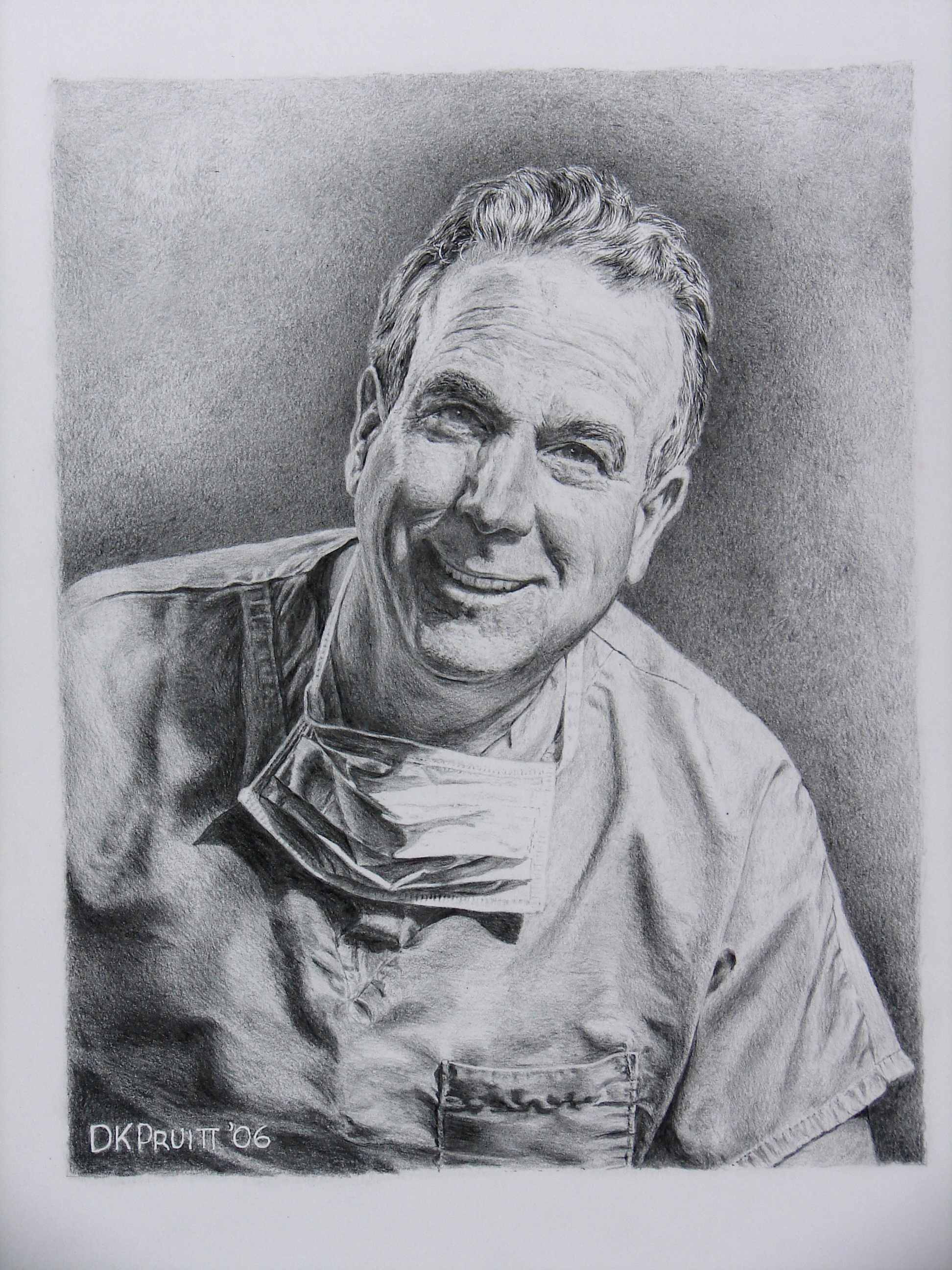
I’m reading “Cyber War” by Richard A. Clark. He served the Pentagon, the State Department, and the National Security Council under Presidents Reagan, Bush, Clinton and Bush. It’s sobering to learn that North Korea has already successfully pulled cyber-war tricks against a vulnerable US. But; to learn that North Korea doesn’t have any Internet vulnerabilities is frightening.
China
And what about China – want to see sophistication? Clark says that within the last year, Canadians discovered a highly sophisticated program they named “GhostNet.” It had infected over an estimated 1300 computers at several countries’ embassies around the world. Get this: The program had the capability to remotely turn on a computer’s camera and microphone without alerting the user and to send the information back to China. So how could such capabilities affect you and me?
GhostNet
GhostNet had been working for almost 2 years before it was discovered. About the same time, US Intelligence leaked news that Chinese hackers had penetrated the US Power grid and left behind programs that can shut the grid down. Clark suggests that the Chinese intended us to find their program as a deterrent to our national will to intervene if China should find it necessary to annex Taiwan or even the Spratly Islands in the South China Sea – where the reefs shelter some of the largest remaining stocks of fish in the world, in addition to undeveloped oil and gas reserves that rival Kuwait’s.
Gates Speaks
Clark says that according to Defense Secretary Robert Gates, cyber attacks “could threaten the United States’ primary means to project its power and help its allies in the Pacific.” Clark adds, “The problem is, however, that deterrence only works if the other side is listening. U.S. leaders may not have heard, or fully understood, what Beijing was trying to say. The U.S. has done little or nothing to fix the vulnerabilities in its power grid or in other civilian networks.”
Assessment
If they shut down our power grids, it will be chaos. Are we as a nation flying far too fast into the cloud?
What does this say about eMRs and eHRs, regional health information exchanges, cloud computing, and related health 2.0 initiatives and/or information technology? Sobering thoughts for the weekend.
Conclusion
Your thoughts and comments on this ME-P are appreciated. Feel free to review our top-left column, and top-right sidebar materials, links, URLs and related websites, too. Then, subscribe to the ME-P. It is fast, free and secure.
Speaker: If you need a moderator or speaker for an upcoming event, Dr. David E. Marcinko; MBA – Publisher-in-Chief of the Medical Executive-Post – is available for seminar or speaking engagements. Contact: MarcinkoAdvisors@msn.com
OUR OTHER PRINT BOOKS AND RELATED INFORMATION SOURCES:
- DICTIONARIES: http://www.springerpub.com/Search/marcinko
- PHYSICIANS: www.MedicalBusinessAdvisors.com
- PRACTICES: www.BusinessofMedicalPractice.com
- HOSPITALS: http://www.crcpress.com/product/isbn/9781466558731
- CLINICS: http://www.crcpress.com/product/isbn/9781439879900
- ADVISORS: www.CertifiedMedicalPlanner.org
- BLOG: www.MedicalExecutivePost.com
- FINANCE: Financial Planning for Physicians and Advisors
- INSURANCE: Risk Management and Insurance Strategies for Physicians and Advisors


Share this:

Filed under: Book Reviews, Information Technology, Pruitt's Platform | Tagged: computer hackers, cyber space, Cyber War, Darrell K. Pruitt, EHRs, EMRs, GhostNet, health 2.0, HIE's, Richard A. Clark, Robert Gates, www | 6 Comments »
 The Leading Business Education Network for Doctors, Financial Advisors and Health Industry Consultants