







 Support our online development, and advance our onground research initiatives in free market economics, as we seek to showcase the brightest Next-Gen minds.
THE ME-P DISCLAIMER: Posts, comments and opinions do not necessarily represent iMBA, Inc., but become our property after submission. Copyright © 2006 to-date. iMBA, Inc allows colleges, universities, medical and financial professionals and related clinics, hospitals and non-profit healthcare organizations to distribute our proprietary essays, photos, videos, audios and other documents; etc. However, please review copyright and usage information for each individual asset before submission to us, and/or placement on your publication or web site. Attestation references, citations and/or back-links are required. All other assets are property of the individual copyright holder.
Support our online development, and advance our onground research initiatives in free market economics, as we seek to showcase the brightest Next-Gen minds.
THE ME-P DISCLAIMER: Posts, comments and opinions do not necessarily represent iMBA, Inc., but become our property after submission. Copyright © 2006 to-date. iMBA, Inc allows colleges, universities, medical and financial professionals and related clinics, hospitals and non-profit healthcare organizations to distribute our proprietary essays, photos, videos, audios and other documents; etc. However, please review copyright and usage information for each individual asset before submission to us, and/or placement on your publication or web site. Attestation references, citations and/or back-links are required. All other assets are property of the individual copyright holder.


A Review of GINA – 2008
[By Carol Miller RN MBA]
This Act prohibits the use of genetic information to make health insurance coverage determinations and in employment-related decisions.

GINA supports a patient’s privacy. Forty states have enacted legislation related to genetic discrimination in health insurance and thirty-one states have adopted laws regarding genetic discrimination in the workplace according to the National Human Genome Research Institute.
Assessment
For more info: www.genome.gov
***
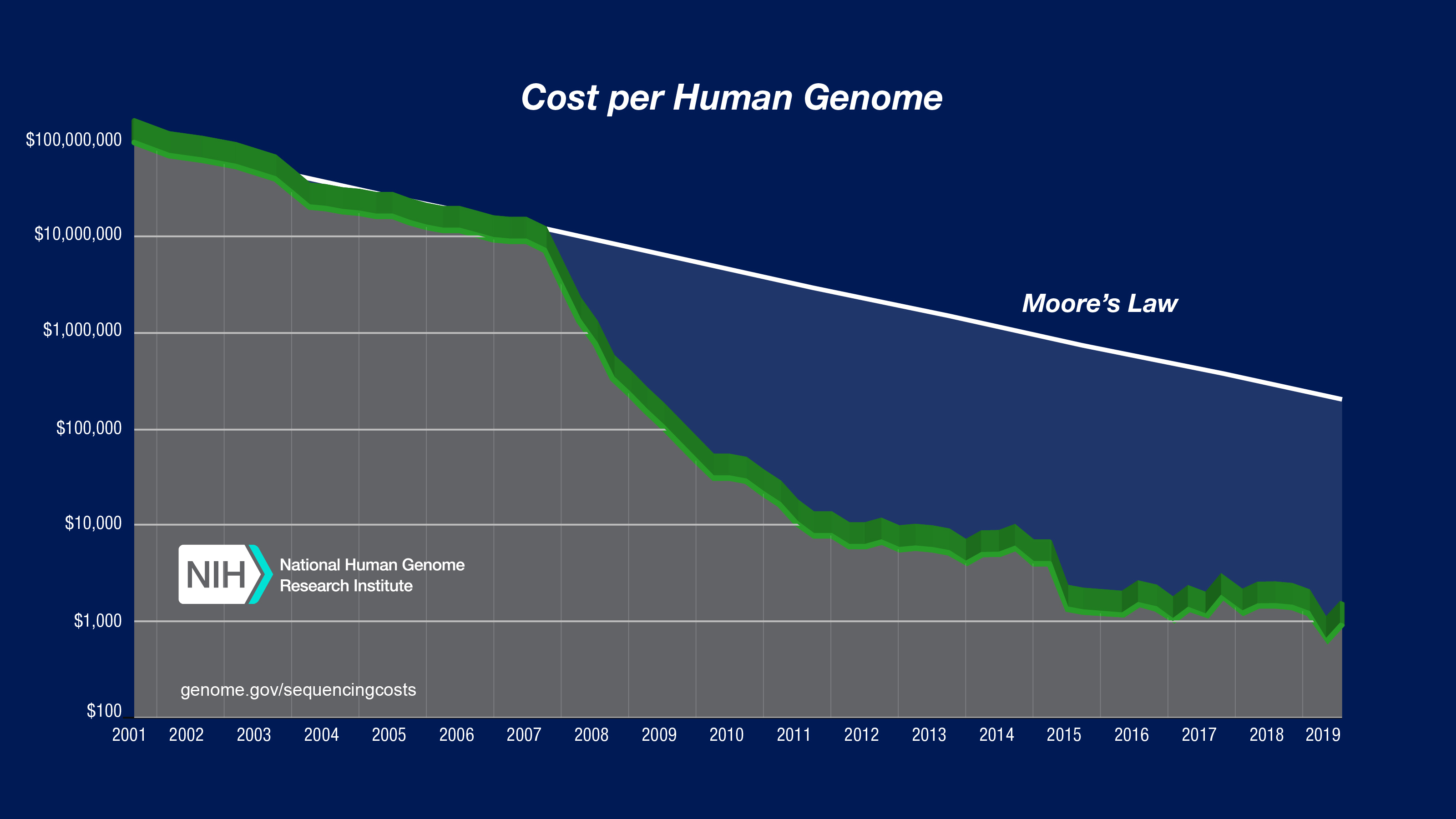
UPDATE 2020
Channel Surfing the ME-P
Have you visited our other topic channels? Established to facilitate idea exchange and link our community together, the value of these topics is dependent upon your input. Please take a minute to visit. And, to prevent that annoying spam, we ask that you register. It is fast, free and secure.
Conclusion
Your thoughts and comments on this ME-P are appreciated. Feel free to review our top-left column, and top-right sidebar materials, links, URLs and related websites, too. Then, subscribe to the ME-P. It is fast, free and secure.
Speaker: If you need a moderator or speaker for an upcoming event, Dr. David E. Marcinko; MBA – Publisher-in-Chief of the Medical Executive-Post – is available for seminar or speaking engagements. Contact: MarcinkoAdvisors@msn.com
OUR OTHER PRINT BOOKS AND RELATED INFORMATION SOURCES:
- PRACTICES: www.BusinessofMedicalPractice.com
- HOSPITALS: http://www.crcpress.com/product/isbn/9781466558731
- CLINICS: http://www.crcpress.com/product/isbn/9781439879900
- ADVISORS: www.CertifiedMedicalPlanner.org
- FINANCE: Financial Planning for Physicians and Advisors
- INSURANCE: Risk Management and Insurance Strategies for Physicians and Advisors
- Dictionary of Health Economics and Finance
- Dictionary of Health Information Technology and Security
- Dictionary of Health Insurance and Managed Care


Share this:

Filed under: Glossary Terms, Health Insurance, Health Law & Policy, Research & Development | Tagged: Carol Miller RN, Genetic Information Non-Discrimination Act, genomic medicine, GINA, National Human Genome Research Institute, personalized medicine, www.genome.gov |
 The Leading Business Education Network for Doctors, Financial Advisors and Health Industry Consultants
Dr. Dietrich Stephan Talks About the Benefits and Challenges of Genetic Testing
All human disease has a genetic component; therefore, genetic testing is a powerful tool that can help to truly personalize care. However, without the proper groundwork to make this delivery of health care affordable, not much can be done.
In this video, Dr. Stephan discusses the progress that is being made in this area and how he believes personalized medicine will revolutionize the delivery of health care.
This video was taken at the CBI Conference on Personalized Medicine on March 13th, 2012 in Washington, DC.
Hope Rachel Hetico RN MHA
[Managing Editor]
LikeLike
See What Happens When One Man’s Genome Is Revealed
http://blogs.wsj.com/health/2012/05/14/what-happens-when-one-mans-genome-is-revealed/?mod=WSJBlog
An interesting post, video and story; thanks for publishing.
Lyle
LikeLike
Docs dissuade patients from home genetic tests
The genetic testing market may be booming, but not all physicians are convinced that the benefits of cracking patients’ genetic codes outweigh the drawbacks.
http://www.sun-sentinel.com/health/fl-genetic-testing-obgyn-warning-20120522,0,7060779.story
Just not yet ready for prime-time.
Dr. Kingsley
LikeLike
What About Age Discrimination?
[1 in 5 Patients Over Age 50 Experience Healthcare Discrimination]
One of the first studies to research the health effects of discrimination on older patients by doctors or hospitals was recently published in the Journal of General Internal Medicine. Here are some key findings:
• 1 in 5 patients over age 50 experienced healthcare-related discrimination.
• Age was the most common reason cited for the discrimination by respondents of all sexes and age groups.
• It was the number one reason given by members of all racial or ethnic groups except African Americans.
• 28.5% of those who frequently experienced such discrimination developed new or worsened disabilities over the course of 4 years.
Source: Journal of General Internal Medicine, March 12, 2015
LikeLike